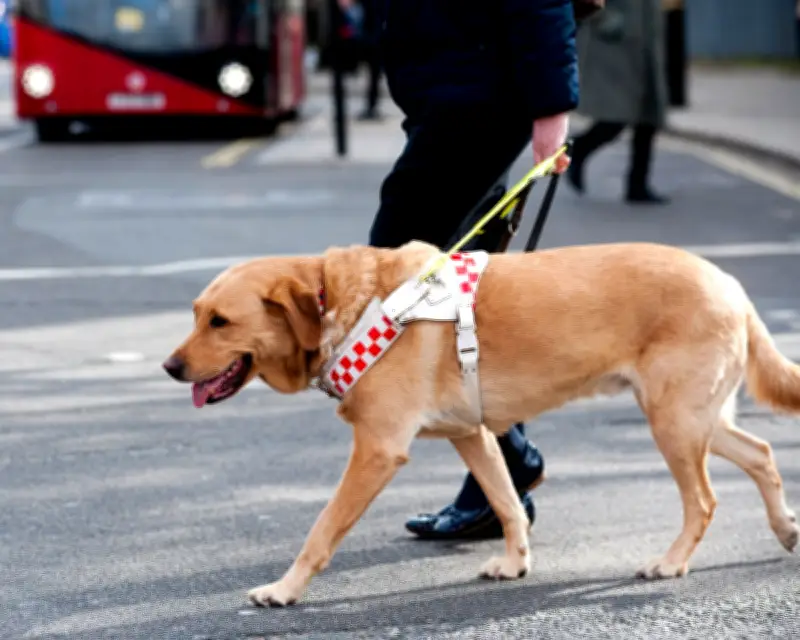
Guide dog owners across Australia face daily ignorance and discrimination from members of the public who are unaware of how to behave around working animals, according to a new study from the University of Sydney.
Study reveals widespread lack of awareness
The research, published in the journal Disability and Rehabilitation, surveyed 120 guide dog owners and found that 85% reported experiencing at least one incident of interference or distraction from the public in the past month. Common issues included people petting the dog without permission, offering food, or making loud noises that distracted the animal.
Lead researcher Dr. Emily Chen said the findings highlight a significant gap in public understanding. “Many people don’t realize that a guide dog is a medical aid, not a pet. Distracting a guide dog can put its owner in danger,” she said.

Impact on daily life
For guide dog owners, these interactions can have serious consequences. One survey respondent, Sarah Thompson, a 34-year-old from Melbourne who has been blind since birth, said she has had to stop crossing a busy intersection because a stranger began petting her dog. “It’s frightening. People think they’re being friendly, but they don’t understand the risks,” she said.
The study also found that 62% of owners had been refused entry to shops, restaurants, or taxis despite laws that require access for assistance animals. “It’s not just ignorance; it’s discrimination,” Dr. Chen added.
Call for better education
The researchers are calling for public awareness campaigns and better training for service industry staff. “We need to normalize the presence of guide dogs and educate people on simple rules: don’t pet, don’t feed, don’t distract,” Dr. Chen said.
Guide Dogs Australia, a national charity, supports the call. Spokesperson Mark Lee said, “Our dogs undergo two years of training, but public behavior remains a challenge. We urge everyone to give guide dog teams the space and respect they need.”