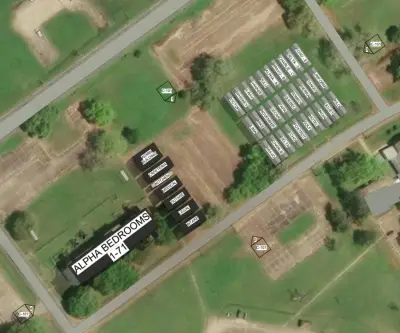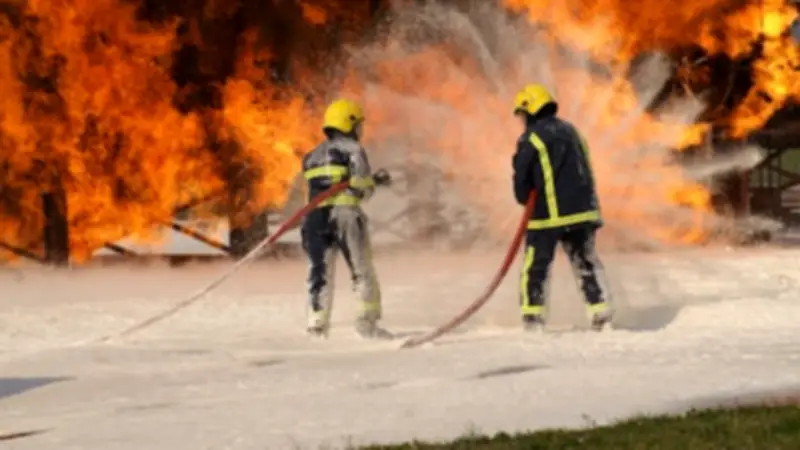
The Australian government has launched its largest-ever lawsuit, suing American chemical giant 3M and its local subsidiary for A$2 billion in damages. The claim covers past and future costs of investigating and managing contamination from 'forever chemicals' in firefighting foams used at nearly 30 Defence sites. The government alleges 3M withheld internal testing showing significant environmental harm. 3M has vowed to defend itself.
Scope of the Lawsuit
The case focuses solely on environmental cleanup, avoiding any mention of potential human health impacts. This is partly because the health effects of PFAS (per- and polyfluoroalkyl substances) remain a subject of scientific debate. The Commonwealth's claim is based mainly on the Australian Consumer Law, arguing 3M engaged in misleading or deceptive conduct by not disclosing known environmental risks.
Background on PFAS
PFAS are known as 'forever chemicals' because they persist in the environment. The foams in question were used from the 1970s to the mid-2000s. Several communities near Defence bases have already filed class actions, resulting in around $400 million in settlements. The government now seeks to recover these costs and fund future remediation.

Likelihood of Settlement
Both sides have taken firm public positions, but large lawsuits often settle before trial. Settlements allow parties to agree on compensation without a judicial finding of liability. Australian courts encourage alternative dispute resolution. In the US, 3M agreed to pay about A$14 billion to assist with testing and treatment costs while denying liability.
What's Included and Excluded
The proceedings aim to recover costs from almost 30 Defence sites, but PFAS contamination extends to state-operated facilities, industrial sites, and public water supplies, which are unlikely to be addressed directly. The case does not cover routine blood testing or long-term medical monitoring for affected communities. Civilian and military firefighters exposed to PFAS have not been involved in major litigation.
Health Impacts Omitted
The case deliberately excludes human health effects. Assistant Minister for Defence Peter Khalil cited limited evidence of health impacts, though the WHO has classified one PFAS compound (PFOA) as carcinogenic. The WHO is conducting a systematic review of PFAS and health outcomes. Previous class actions also excluded personal injury claims, focusing on property and business losses.
Future Implications
If the government succeeds, it could open the door to further claims by fire services, water suppliers, and other groups. Regardless of the outcome, more legal action and advocacy from PFAS-affected communities is expected.