The arrival of a deadly strain of avian influenza in the Australian Capital Territory has sent shockwaves through the local bird-owning community, with authorities scrambling to contain the outbreak. The highly pathogenic H7N8 strain was confirmed in a backyard flock in the Canberra region, marking the first detection of this subtype in the area.
Urgent Biosecurity Measures Enforced
ACT Chief Veterinary Officer Dr. Jane Miller announced that a quarantine zone has been established within a 5-kilometer radius of the infected property. Bird owners within this zone are required to keep their birds indoors and report any signs of illness immediately. "This is a serious situation, and we need everyone to comply with the restrictions to prevent further spread," Dr. Miller said.
The outbreak has prompted the ACT government to activate its emergency animal disease response plan, with additional surveillance and testing underway. Officials are urging all bird owners, from commercial poultry farmers to backyard hobbyists, to review their biosecurity practices and report any unusual deaths or symptoms.

Impact on Local Bird Owners
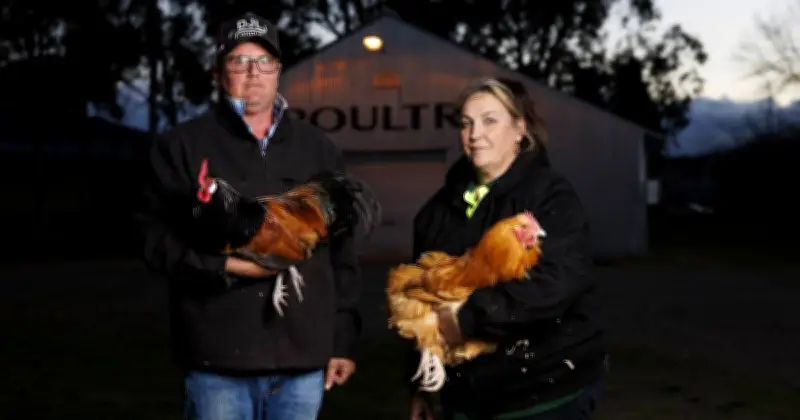
Canberra bird owners are expressing deep concern over the outbreak. Local poultry enthusiast Sarah Thompson, who keeps a small flock of chickens in her suburban backyard, said she is "terrified" for her birds. "We've heard horror stories about avian flu wiping out entire flocks. I've already moved my chickens into a secure coop and am disinfecting everything," she said.
The ACT's poultry industry, though relatively small, is also on high alert. The region is home to several free-range egg farms and a handful of commercial meat chicken operations. Industry representatives have called for calm while emphasizing the importance of strict biosecurity.
Government Response and Advice
The federal Department of Agriculture, Fisheries and Forestry is working closely with ACT authorities to monitor the situation. A spokesperson confirmed that the H7N8 strain is highly pathogenic to birds but poses a low risk to human health. However, they advised people to avoid contact with sick or dead birds and to practice good hygiene.
Dr. Miller stressed that the key to controlling the outbreak is early detection and reporting. "We are asking bird owners to be vigilant. If you see signs of illness, such as sudden death, swelling, or respiratory distress, contact the Emergency Animal Disease Hotline immediately," she said.
Looking Ahead
As the containment efforts continue, the ACT government is considering compensation for affected bird owners to encourage compliance with culling orders if necessary. The outbreak serves as a stark reminder of the ongoing threat posed by avian influenza, which has caused significant losses in other parts of Australia and around the world.