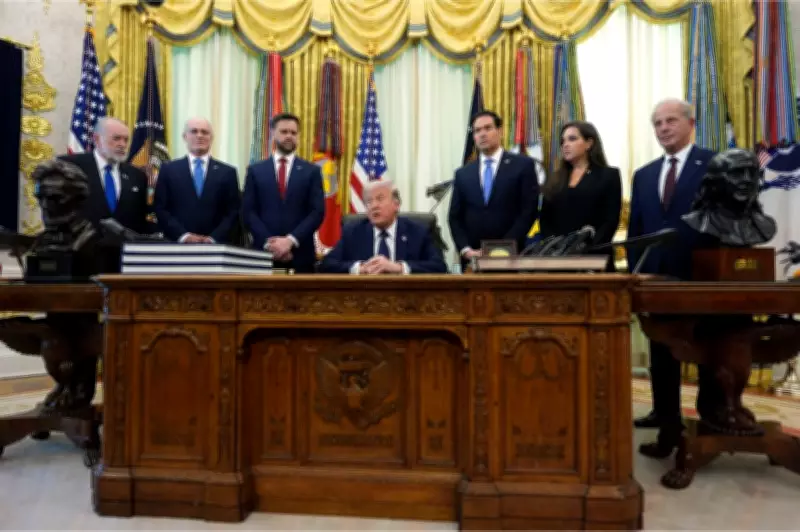
The United States has successfully brokered a two-week extension of the ceasefire agreement between Israel and Lebanon, according to a statement from the White House on Thursday. The extension aims to de-escalate tensions along the volatile border region and allow for further diplomatic negotiations.
Key Details of the Ceasefire Extension
The initial ceasefire, which was set to expire on Friday, has been extended until May 8, 2026. The agreement was reached following intense shuttle diplomacy by US envoy Amos Hochstein, who shuttled between Jerusalem and Beirut over the past week.
Both parties have committed to refrain from military operations and to allow UN peacekeepers to monitor the border. The extension also includes provisions for humanitarian aid deliveries to affected areas in southern Lebanon.

Reactions from Leaders
Israeli Prime Minister Benjamin Netanyahu welcomed the extension, stating that it would provide an opportunity to assess the security situation. Lebanese Prime Minister Najib Mikati expressed cautious optimism, emphasizing the need for a permanent solution.
US President Donald Trump praised the deal as a testament to American diplomacy, tweeting, "Great progress for peace in the Middle East!"
Background of the Conflict
The ceasefire was originally brokered in November 2025 after weeks of cross-border clashes. The conflict had displaced thousands of civilians on both sides and raised fears of a broader regional war.
Since then, sporadic violations have been reported, including rocket attacks and drone incursions. The extension is seen as a critical step toward a more durable truce.
International Response
The United Nations Secretary-General António Guterres welcomed the extension and urged both sides to engage in meaningful talks. The European Union also expressed support, with foreign policy chief Josep Borrell calling it "a positive development."
Analysts note that the extension provides a window for addressing core issues, including border demarcation and the status of disputed territories.
The situation remains fragile, and both sides have warned of consequences if the ceasefire collapses. However, the extension offers a glimmer of hope for a region long plagued by conflict.