The war in Lebanon has brought untold suffering to its people, transforming bustling cities into ghost towns and leaving families torn apart. The conflict, which has escalated in recent weeks, shows no signs of abating, leaving civilians caught in the crossfire.
Displacement and Destruction
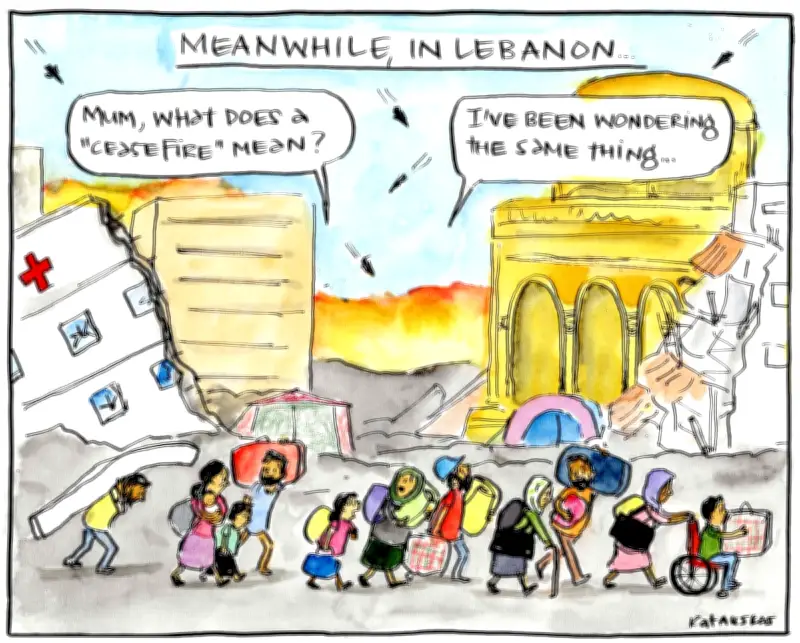
Hundreds of thousands of Lebanese have been forced to flee their homes, seeking shelter in overcrowded schools and makeshift camps. The United Nations reports that over 500,000 people are internally displaced, with many lacking access to basic necessities like food, water, and medical care.
The infrastructure of the country lies in ruins. Bombings have targeted roads, bridges, and power plants, cutting off entire communities from the outside world. Hospitals are overwhelmed, struggling to treat the wounded with dwindling supplies.

Economic Fallout
The war has exacerbated Lebanon's already severe economic crisis. The Lebanese pound has plummeted, and inflation is skyrocketing. Many businesses have been destroyed, and unemployment rates are soaring. The World Bank estimates that the conflict could set back Lebanon's development by decades.
Farmers have been particularly hard hit, with fields and crops destroyed. The agricultural sector, once a backbone of the economy, is now in shambles. Food insecurity is on the rise, with many families unable to afford even basic staples.
Human Toll
Behind the statistics are real people with stories of loss and resilience. Families have been separated, children orphaned, and the elderly left without care. The psychological impact is immense, with many suffering from trauma and anxiety.
One displaced mother of three, now living in a school gymnasium, said, 'We have nothing left. Our home is gone, and we don't know if we will ever return. Every day is a struggle for survival.'
International aid agencies are working tirelessly to provide relief, but they are hampered by the ongoing violence and lack of funding. The Red Cross has called for a ceasefire to allow humanitarian access, but so far, the fighting continues.
International Response
The international community has condemned the violence and called for an immediate end to hostilities. The United Nations Security Council has held emergency sessions, but no concrete action has been taken. Neighboring countries are struggling to cope with the influx of refugees, with many already hosting large Syrian refugee populations.
Human rights organizations have documented numerous violations, including attacks on civilian infrastructure and the use of indiscriminate weapons. They are calling for accountability and justice for the victims.
As the war drags on, the people of Lebanon are left wondering when the suffering will end. For now, they cling to hope, but the future remains uncertain.