In 2008, conflict photojournalist Nigel Brennan arrived in Mogadishu, Somalia, a city ravaged by years of civil war. Rival factions vied for power, displacing hundreds of thousands. Brennan had arranged to visit a camp for displaced people, accompanied by Canadian journalist Amanda.
The camp lay within a militia zone, so they hired two armed guards. However, the guards soon abandoned the vehicle, deeming it unsafe to proceed. Brennan was uneasy about continuing unaccompanied but saw no alternative.
About 20 minutes later, masked gunmen surrounded their car. Brennan's door was forced open, and he was thrown to the ground. They were ordered not to speak and driven to a compound.

"We're going to hold you for ransom," one captor declared, demanding $3 million. Brennan's heart sank, knowing Australia's government refused to negotiate with terrorists. "If it's not paid in 24 hours, you'll be executed," they threatened.
Terrified, Brennan endured an agonizing wait. When the deadline passed, they felt relief. Eventually, the kidnappers realized government channels were futile and demanded contact numbers for their families.
Brennan's parents were unaware he was in Somalia; he had told them he was traveling to Kenya to spare them worry. Knowing they lacked the funds, he was consumed with guilt.
Days turned into weeks. Initially, Brennan and Amanda shared a stifling room with cockroaches and dirty mattresses. As time dragged, Brennan tried to build rapport with the English-speaking captor, hoping it would make killing him harder. They even converted to Islam to find common ground with their guards.
This meant they could no longer share a room, so they communicated via notes in the shared bathroom. To pass the time, Brennan did yoga, read the Qur'an, and began learning Arabic.
After five months, hope waned. Brennan spoke to Australian police, who confirmed no official ransom could be paid. Brief phone calls revealed his family was frantically raising funds, but that took time.
During bathroom breaks, Brennan secretly dug crumbling mortar from the wall. After three days, he loosened enough for Amanda and him to squeeze through. They ran toward the nearest mosque, but gunmen recaptured them.
All goodwill vanished. Brennan's ankles were shackled; to use the toilet, he had to bang his cup on the floor. This was his lowest point. Weeks and months blurred. The mental trauma was unbearable: endless hours staring at walls, thinking of family and lost dreams.
Nearly a year after their escape attempt, someone cut the padlocks and threw Brennan clothes. He saw Amanda outside, gaunt and shocked. "Are you OK? Do you know what's going on?" he asked, but she shook her head.
They were bundled into three cars. A stranger handed Amanda a phone. "Hello Mum," she said. They had been rescued.
Brennan's family had paid over half a million pounds, liquidating everything and fundraising. Returning home, he felt euphoric but guilty.
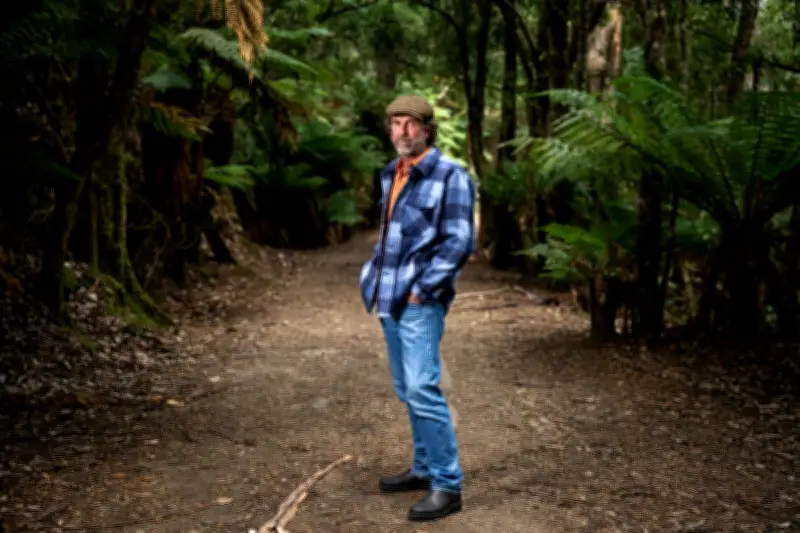
Now living in Tasmania with his wife Alanna and sons Rumi (10) and Omar (5), both named after Muslim poets, Brennan maintains a healthy respect for Islam. His children know parts of his story; he will one day read them his memoir. Rather than making him an anxious father, the experience taught him that family and friends are all that matter. He encourages his boys to explore the world and truly live life.