Airline industry chiefs have admitted that the landmark pledges to achieve net zero emissions by 2050 will probably not be met. The collective goal, declared by global airlines in 2021 and supported by national aviation leaders and governments including the UK in 2020, is now considered unlikely.
Willie Walsh Expresses Disappointment
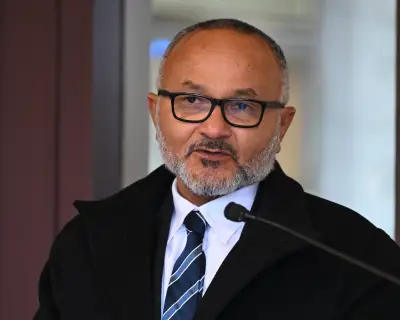
Willie Walsh, director general of the International Air Transport Association (Iata) and former CEO of British Airways owner IAG, stated that "hope was fading fast" and called for a new "realistic timeline." He blamed fuel suppliers, governments, and aircraft manufacturers for the likely failure.
More than half of the planned decarbonisation for aviation depended on the development of sustainable aviation fuels (SAF), with much of the rest reliant on the global emissions trading programme Corsia, established under the UN and its aviation body ICAO.

SAF Production Falls Short
In a speech at the Iata summit in Rio de Janeiro, Walsh said Corsia was being "undermined" by government inaction. Annual SAF production is expected to reach only 2.4 million tonnes this year, or 0.8% of airline fuel needs. "The goal is 65% or 500 million tonnes by 2050. The gap is wide and not closing fast enough," he said.
Governments had targeted a 5% emission reduction by 2030 through SAF, but Walsh noted, "to be blunt, there is no path to meet that outcome." He added: "There is still hope for 2050 – but that’s fading fast … We need an urgent dialogue to determine a realistic timeline given the current state of affairs."
Call for New Timeline
While Walsh did not rule out 2050 entirely, he said "the more likely outcome, however, is a new timeline that hits a sweet spot – realistic within the broader context of the global energy transition and sufficiently near-term to meet the urgencies of climate change and energy security."
Speaking to the Guardian later, Walsh emphasised that airlines were "continuing to do everything we said we would do, but we can’t achieve net zero in 2050 on our own." He expressed disappointment with manufacturers delaying delivery of new efficient aircraft and the lack of reform in air traffic management systems worldwide, which would significantly reduce gross emissions. He also criticised fuel companies for not delivering on promises.
Environmental Campaigners and Government Implications
The admission is unlikely to surprise environmental campaigners, who have long viewed such pledges as greenwashing. It may also give pause to the UK government, which supports expansion of Heathrow Airport only if climate tests are met.
Governments have imposed SAF mandates. The UK met the 2% minimum SAF in jet fuel used in 2025, largely from recycled cooking oil imported from Asia. However, future targets require next-generation fuels like e-SAF from renewable energy, which do not yet exist in significant quantities.
Iata’s sustainability vice-president and chief economist, Marie Owens Thomsen, said UK and EU e-SAF targets for 2030 were "beyond unrealistic – they are utterly detached from reality. It is a reckless energy market creation strategy to impose mandates before production is enabled. Such a strategy will only drive up the price."