The 2026 FIFA Men's World Cup, the largest and longest in history, kicked off in Mexico City on June 11 amid intense geopolitical debate. It is the first co-hosted by the United States, a nation engaged in open military combat with participating member Iran. Tensions also simmer between the US and other hosts Mexico and Canada, and the second Trump administration has picked fights globally. However, as the tournament progresses, political commentary has notably receded, with no major incidents involving teams or fans reported.
Rhythms of Media Attention
This shift is unsurprising given the predictable stages of mega-sport events: host bid, lead-up, sporting action, and legacy. Before competition, governing bodies like FIFA and hosts face moral and ethical criticism over issues like public fund expenditure, player exploitation, human rights, and sportswashing. Journalists file "colour stories" on these topics before sport takes center stage. But once matches begin, the compelling narratives of athletic performance and contests dominate.
Critical Fans Face a Juggling Act
Critical social science researchers challenge the myth of sport as apolitical, but acknowledging legitimate pleasures while highlighting negatives is difficult. Fans may resist reminders that stadiums cost migrant worker lives, as in Qatar 2022, or that LGBTQIA+ participants faced safety concerns in Russia and Qatar. In 2026, fans may not welcome suggestions they bought inflated tickets, occupied seats of fans from restricted countries, or that fans of color feared attending a "home" World Cup due to ICE threats. Even Somali referee Omar Artan was denied US entry on the eve of the tournament.

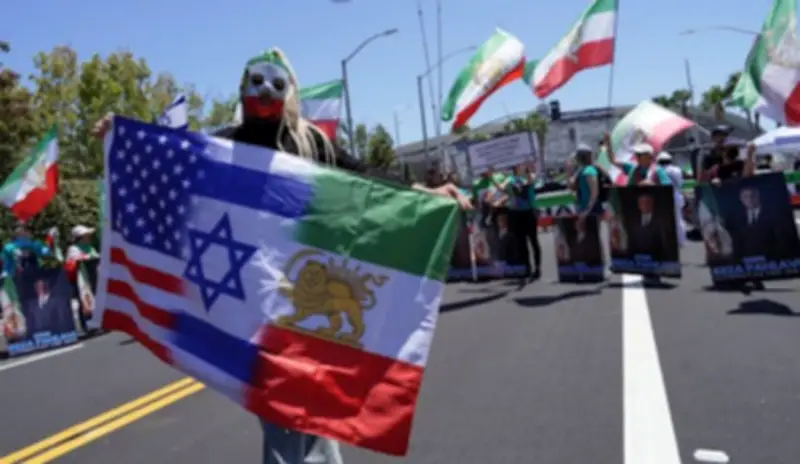
Many fans are unimpressed by FIFA President Gianni Infantino's constant flattery of US President Donald Trump, tarnishing the tournament's image. Yet such reservations are set aside for travel plans. Political protests before Mexico's first home game received cursory media coverage. With 104 matches scheduled, only something dramatic or tragic could wrest attention from on-field action.
Optimal Timing for Commentary
For critical fans, the optimal time for geopolitical commentary is before the first goal and after the post-tournament hangover. The downplaying of politics is no surprise, as World Cups and Olympics are cultural events for sporting reasons. If sport lacked deep appeal, there would be no grand spectacle.