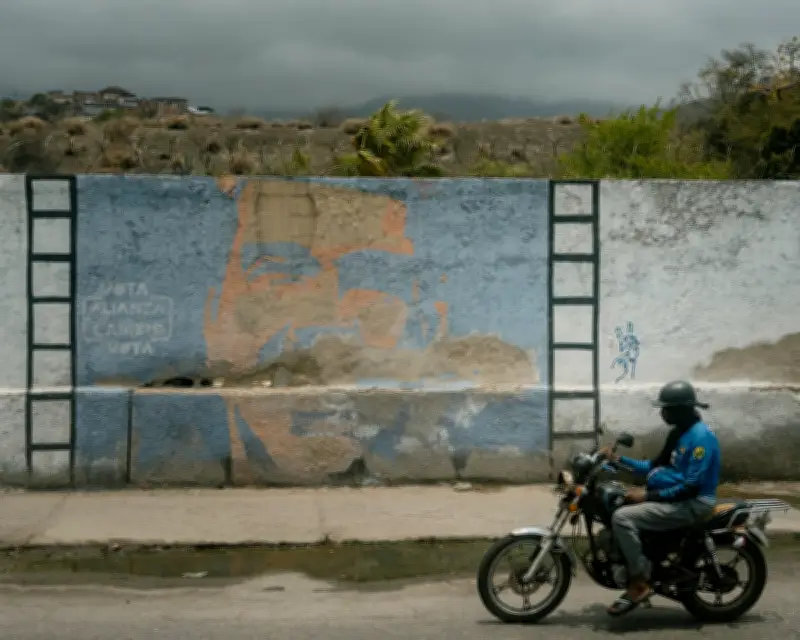
A faded mural of Nicolás Maduro in La Guaira, Venezuela, on 3 May 2026, captures the decline of a dictator's image. For years, his bewhiskered face stared down from propaganda billboards glorifying his rule. Factories churned out plastic action figures exalting him as an indestructible caped crusader nicknamed 'Super Moustache'. In a coastal town near Caracas, authorities branded dustbins and overpasses with silhouettes of his stache.
Five months after US special forces toppled Maduro, his curated cult of personality is collapsing. The deposed president is being airbrushed out of Venezuelan history by former allies eager to move on. Giant images of Maduro and his wife, Cilia Flores, still adorn main arteries, some with the hashtag #WeWantThemBackNow. A count-up clock in the historic centre logs days since their kidnapping.
In streets around Miraflores, pro-regime graffiti artists have scrawled support. 'Que viva Maduro, carajo!' reads one. Another declares: 'We love Maduro.' But such affection is in short supply. Across the country, billboards and paintings are being dismantled, erased, or left to rot. In a Caracas housing estate, white paint covers murals of the politician remembered for leading Venezuela into dictatorship and economic collapse.

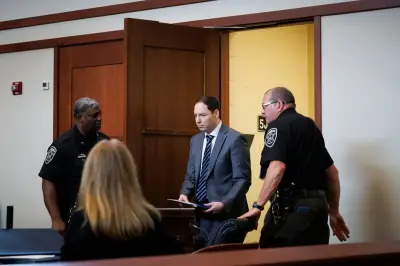
'I was stunned,' said one local. 'They've painted over all of them.' On the highway to Guatire, Maduro's name faded on a hoarding from the 2024 election he is believed to have stolen. In Caucagua, a dissenter smeared cement over a portrait in a playground. A stencil graffiti artist sprayed Maduro's image with a quote from a New York court hearing: 'I'm a decent man and I'm still the president of my country.'
Disappearance from Official Discourse
The disappearance of propaganda is mirrored in public statements of those who claimed power after his abduction on 3 January. An analysis by TalCual found interim leader Delcy Rodríguez mentioned Maduro 86 times after the US raid, but by March, mentions fell to seven—a drop of over 90%. 'What is left of a leader when their name is no longer spoken?' TalCual wondered.
Phil Gunson, a Caracas-based commentator, said figures reflect Maduro's defenestration. 'It's pretty sad when you've styled yourself as a great revolutionary leader and the US kidnaps you and months later nobody remembers your name.' Diplomats say Venezuelan officials rarely allude to their former boss.
Alienation and Economic Collapse
Gunson believes Maduro's disappearance reflects how he alienated opponents and his own movement during a disastrous reign when the economy shrank by 70% and millions fled. 'Maduro took them into a complete cul-de-sac. The majority of Chavistas wanted to see the back of him.' Public fury was compounded by his frivolous antics—dancing and crooning on state TV. 'Maduro was tone-deaf. His singing and dancing irritated even Chavistas.' Donald Trump was also incensed by Maduro's dance moves.
Flickers of support remain. At a pro-regime rally, a woman clutched a Superman-style figurine of Maduro and a Wonder Woman model of Flores, but refused to give her name. Another marcher, Wendell Gouveia, wore a red T-shirt with Maduro's face. 'Nobody paid me,' he said, accusing Trump of injustice. But apart from those dolls, there was scant sign of Maduro. Most protesters wore white, not the red of Chavismo. On the motorway to the airport, a mural demanding 'Free Maduro and Cilia' was splashed with black paint.