The United States is considering a sweeping overhaul of its farm bill that would mandate all foods served in school lunches be sourced exclusively from American producers. The proposal, which has drawn both praise and criticism, aims to bolster domestic agriculture but raises questions about trade agreements and nutritional standards.
Key Provisions of the Bill
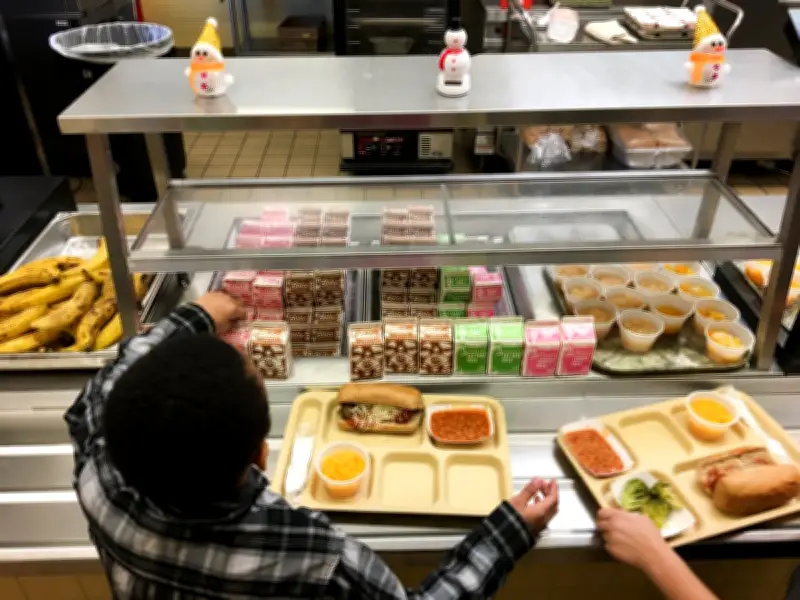
Under the new legislation, schools participating in the National School Lunch Program would be required to purchase 100% of their food from US suppliers. This includes everything from fruits and vegetables to grains and proteins. Proponents argue that the measure would support American farmers, reduce reliance on imports, and ensure food safety.
Impact on Trade and Diplomacy
Critics, however, warn that the policy could violate international trade commitments and strain relations with key allies. Many countries, including Canada and Mexico, export significant quantities of produce to the US school meal program. The bill could trigger retaliatory measures and disrupt supply chains.

Nutritional Concerns
Nutrition experts also express concern that restricting food sources may limit the variety and quality of meals available to students. During winter months, many fresh fruits and vegetables are not grown domestically, potentially leading to increased use of processed or frozen alternatives.
Political Reactions
The bill has garnered support from agricultural lobbies and some lawmakers in farming states. Senator John Smith (R-Iowa) stated, "This is about putting American farmers first and ensuring our children eat food grown on our soil." Meanwhile, Senator Jane Doe (D-California) opposes the measure, calling it "protectionist and harmful to global cooperation."
Next Steps
The bill is expected to face intense debate in the coming months. If passed, it would take effect in the 2027-2028 school year, giving schools and suppliers time to adjust. The outcome could reshape not only school nutrition but also broader agricultural trade patterns.
As the discussion unfolds, stakeholders are urged to consider the balance between supporting local economies and maintaining a diverse, affordable, and nutritious food supply for the nation's children.