Navigating the Trump Challenge
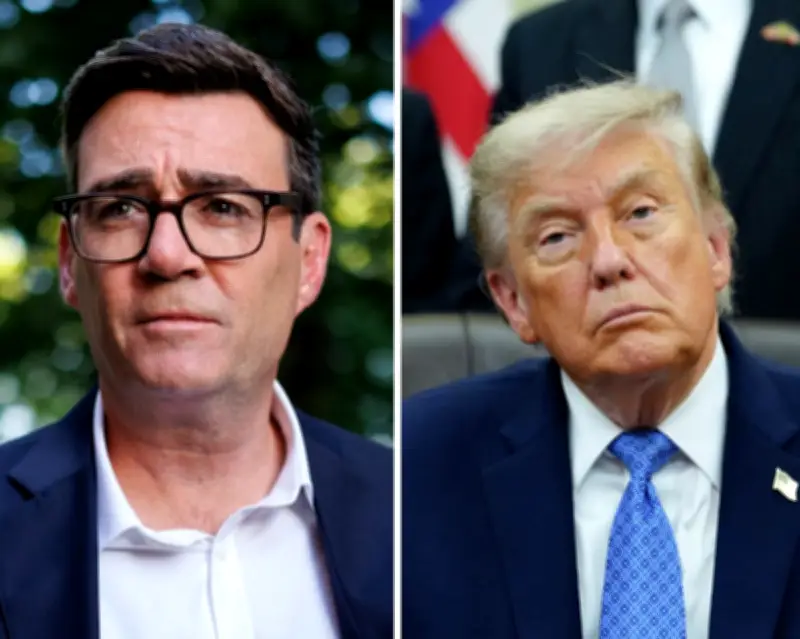
The United Kingdom's next prime minister faces a delicate diplomatic balancing act with Donald Trump, who is likely to return to the White House in 2025. Experts warn that the so-called 'special relationship' between the US and UK may not be as special as British leaders hope, given Trump's transactional approach to foreign policy.
According to a recent analysis by the Chatham House think tank, Trump's first term showed a pattern of demanding concrete benefits from allies, often disregarding historical ties. The UK must prepare for a leader who views alliances through a lens of immediate national interest.
Lessons from the Past
During Trump's presidency from 2017 to 2021, UK Prime Ministers Theresa May and Boris Johnson both sought to cultivate a close rapport with Trump. However, their efforts yielded mixed results. May's state visit in 2017 was overshadowed by Trump's criticism of her Brexit strategy, while Johnson's praise for Trump failed to prevent trade disputes.

A former UK diplomat, speaking on condition of anonymity, noted: 'Trump respects strength and clarity. The UK cannot assume automatic goodwill; it must articulate clear benefits for the US in any partnership.'
The Special Relationship Under Strain
The 'special relationship' has long been a cornerstone of UK foreign policy, but Trump's approach challenges its foundations. In his first term, Trump withdrew from the Iran nuclear deal and the Paris climate accord, moves that contradicted UK positions. He also imposed tariffs on UK steel and aluminum, causing economic friction.
According to a 2023 survey by the Pew Research Center, only 41% of Britons had confidence in Trump to do the right thing in world affairs, compared to 83% for Joe Biden. This disconnect between public opinion and diplomatic necessity complicates the UK's position.
Strategic Recommendations
Analysts suggest that the UK's next leader should adopt a pragmatic approach, focusing on shared interests such as defence, trade, and technology. The UK could leverage its strengths in cybersecurity and intelligence sharing, areas where Trump has shown interest.
Professor John Bew of King's College London advised: 'The UK should avoid grand rhetoric about the special relationship and instead emphasize concrete cooperation on issues like NATO burden-sharing and post-Brexit trade deals.'
However, experts caution against over-accommodation. A former US official warned: 'If the UK appears too eager, it may be taken for granted. The relationship must be mutually beneficial, not one-sided.'
Conclusion
As the UK prepares for a new prime minister, the challenge of dealing with a potential Trump presidency looms large. Success will require a clear-eyed strategy that balances historical ties with modern realities, ensuring that the 'special relationship' remains relevant in a changing world.