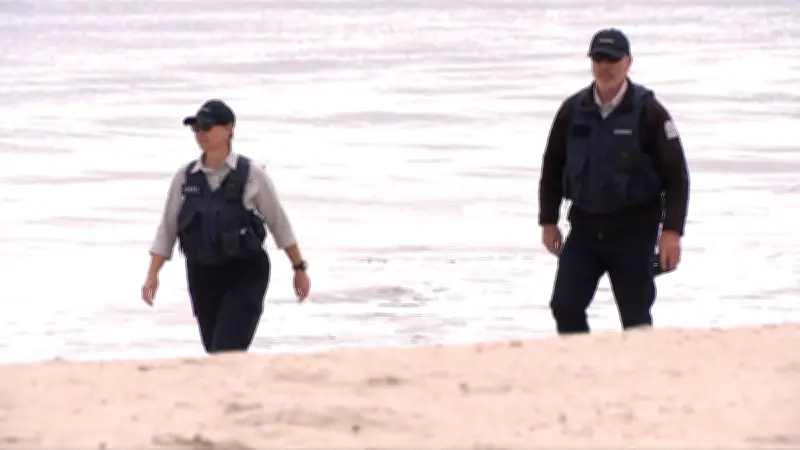
Bird flu has been detected in Perth for the first time, with a giant petrel discovered on Mullaloo Beach testing positive for the highly pathogenic H5N1 strain. The Western Australian Department of Primary Industries and Regional Development (DPIRD) confirmed the finding, marking a significant development in the spread of avian influenza in Australia.
Discovery and Testing
The giant petrel, a seabird species known to travel long distances, was found deceased on Mullaloo Beach, about 20 kilometers north of Perth's CBD, on Tuesday. Samples were sent to the Australian Centre for Disease Preparedness in Geelong, Victoria, where they returned a positive result for H5N1. DPIRD Chief Veterinary Officer Michelle Rodan said the strain is the same one that has caused outbreaks in poultry and wild birds overseas. "This is the first detection of H5N1 in a wild bird in Western Australia," Rodan said. "While the risk to the public remains low, people should avoid handling sick or dead birds."
Biosecurity Measures
In response, DPIRD has established a 10-kilometer restricted zone around the find site, requiring poultry owners to house their birds and implement enhanced biosecurity. The department is also conducting surveillance of other seabird colonies along the coast. Rodan emphasized that the virus does not pose a food safety risk if poultry and eggs are properly cooked. However, she urged pet owners to prevent dogs and cats from contacting dead birds.

Impact on Poultry Industry
Australia's poultry industry, already under strain from previous bird flu outbreaks in Victoria and New South Wales, faces heightened vigilance. The H5N1 strain is highly lethal to domestic birds, and its arrival in WA could disrupt exports. The state's poultry sector, worth approximately $1 billion annually, has not yet reported infections in commercial flocks, but farmers are advised to monitor for symptoms. DPIRD has also activated a biosecurity incident management team to coordinate response efforts.
Public Health Advisory
While human cases of H5N1 are rare and typically linked to close contact with infected birds, health authorities are monitoring the situation. The WA Health Department advises anyone who has handled a sick or dead bird and develops flu-like symptoms to seek medical attention. The public is encouraged to report multiple bird deaths via the DPIRD website or by calling the Emergency Animal Disease Hotline at 1800 675 888.