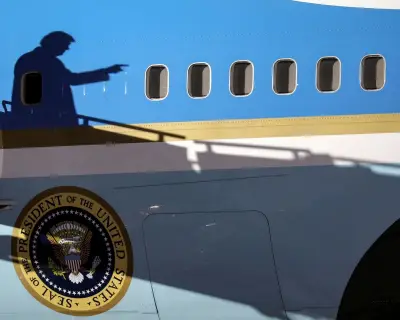
Donald Trump has signed a 14-point agreement with Iran, claiming it delivered a 'major win' for the US – even as it made significant political and financial concessions to Tehran to reopen the Strait of Hormuz and prevent a worldwide depression.
Background of the Agreement
The deal, which comes after months of escalating tensions, aims to ensure the free flow of oil through the strategic waterway. The Strait of Hormuz is a critical chokepoint for global energy supplies, and its closure threatened to trigger a severe economic downturn.
Critics argue that the agreement represents a retreat from earlier US强硬立场, with Washington conceding to Iranian demands for maritime fees and other benefits. However, the Trump administration defends the deal as a pragmatic move to avert catastrophe.

Key Points of the Deal
- Reopening of the Strait of Hormuz to international shipping
- Iran to receive maritime fees for passage through its territorial waters
- US to lift certain sanctions and provide financial relief
- Commitment to future negotiations on Iran's nuclear program
Reactions and Analysis
Analysts are divided on the implications. Some view it as a necessary compromise to prevent a global crisis, while others see it as a sign of US weakness. The deal has also drawn criticism from US allies in the Middle East, who fear it emboldens Iran.
Trump's Iran deal is the result of unrealistic ambitions for an untenable war, according to some experts. The agreement makes clear how far the US has been forced to retreat since 2025, when earlier policies escalated tensions.
Future Prospects
The agreement sets the stage for further diplomacy, but challenges remain. Iran has announced plans to bring in maritime fees for the Strait of Hormuz, a move that could strain relations. Meanwhile, the US faces pressure to demonstrate that the deal serves its long-term interests.
Explore more on these topics: Trump administration, Iran, Strait of Hormuz, US foreign policy.