Tunnelling on Sydney's M6 motorway, known as the potentially 'unbuildable motorway,' will resume after the New South Wales government and a private consortium reached an agreement, ending a two-year stalemate. The project, valued at $3.1 billion, was halted after sinkholes and a reverse fault disrupted construction.
Agreement Details
Under the new terms, the consortium led by CPB Contractors, along with Ghella and UGL (collectively CGU), will cover the costs of completing the twin tunnels, limiting financial exposure for taxpayers. The M6 is now expected to open in 2028 at the earliest, later than the original 2024 target.
Background of Delays
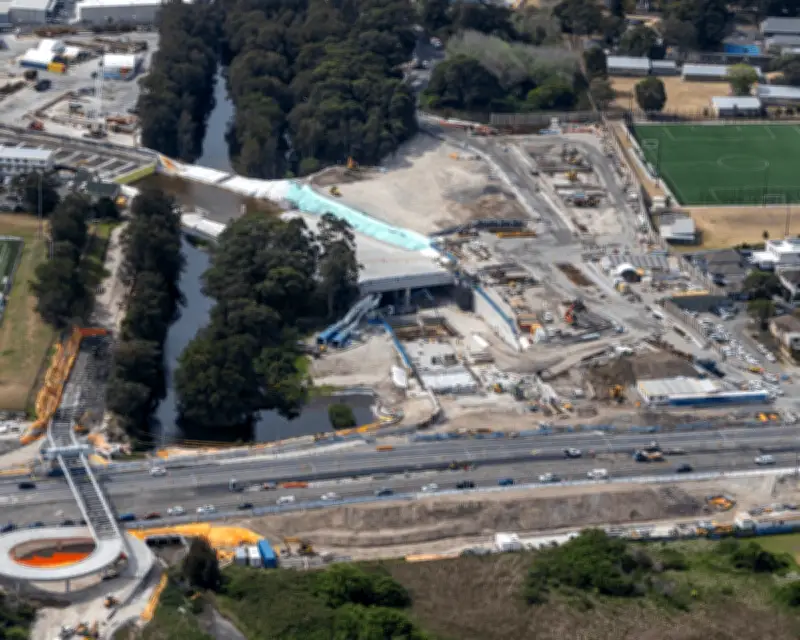
The project involves twin 4-kilometre tunnels connecting Sydney's south to the broader road network. Approved in 2019 under the former Coalition government, tunnelling was 90% complete when two large sinkholes appeared in March 2024 above the tunnel near an industrial estate in Rockdale. Underground work ceased in June 2025 after the discovery of a 'high-angle reverse fault' in the bedrock near the sinkholes.

The crisis escalated in May 2025 when the Sydney Morning Herald published a leaked email from project director David Jackson stating the joint venture was withdrawing. Friday's agreement resolves the dispute over who should pay to finish the compromised tunnels.
Government and Contractor Statements
NSW Motorways chief executive Camilla Drover said CGU would complete the project under the contract terms, with work resuming immediately. Roads Minister Jenny Aitchison emphasised there would be no extra cost to the public, stating, 'Unlike the Liberals, we will not hand out blank cheques when contractors try to take NSW taxpayers for a ride.'
Transport for NSW secretary Josh Murray noted that CGU would rectify the subsidence issue that originally paused the contract. CPB's executive project director Terry Sleiman called the agreement an opportunity to continue tunnelling.
Engineering Solution
To complete the remaining 250 metres, contractors may use 'jet grouting,' a method that uses high-speed fluid to erode soil and fill cavities with grout. Engineer Grahame Campbell, who managed the M4 project, said this was the only viable option and criticised the lack of preliminary geological work, calling it a systemic failure that leads to disputes and cost overruns.