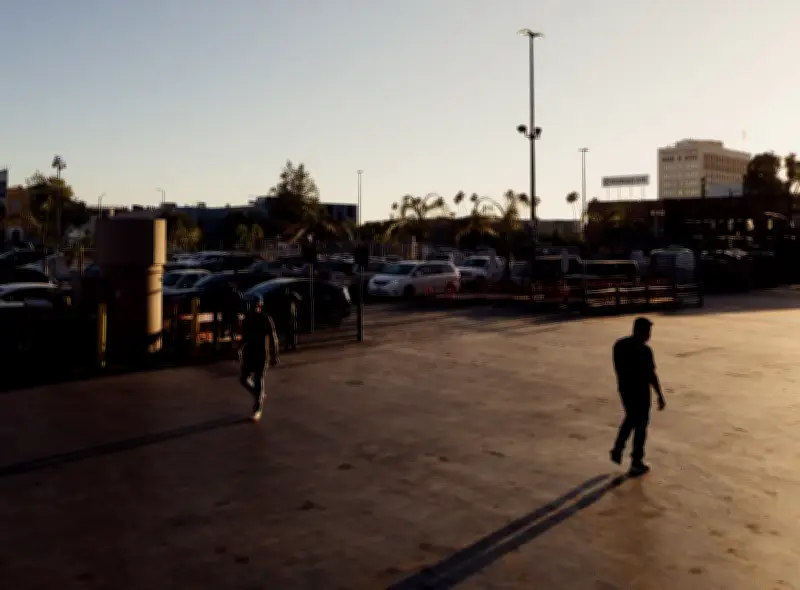
One year after the largest immigration enforcement operation in recent memory swept through Los Angeles, the city continues to grapple with the aftermath. The raids, conducted by U.S. Immigration and Customs Enforcement (ICE), targeted neighborhoods with high immigrant populations, leading to hundreds of arrests and widespread fear.
The Raids: A Recap
In June 2025, ICE agents executed a series of coordinated operations across Los Angeles County, focusing on areas such as Koreatown, Pico-Union, and parts of the San Fernando Valley. The agency stated the raids were aimed at individuals with criminal records or final removal orders, but critics argue that many undocumented immigrants with no criminal history were also detained.
Community Impact
The immediate aftermath saw a sharp decline in school attendance, with parents afraid to send their children to school. Local businesses reported a drop in customers, and community organizations struggled to provide support. One year later, trust between immigrant communities and law enforcement remains fragile.

- School absenteeism spiked by 30% in the weeks following the raids.
- Local clinics saw a 25% decrease in visits from immigrant families.
- Community hotlines reported a surge in calls from people seeking legal advice.
Policy Changes and Legal Challenges
In response to the raids, California state lawmakers introduced several bills aimed at limiting cooperation between local law enforcement and federal immigration authorities. Some of these measures have been signed into law, while others face legal challenges from the federal government.
Ongoing Debates
The raids have reignited the national debate on immigration enforcement. Supporters argue that such operations are necessary to uphold the rule of law, while opponents claim they tear apart families and communities. Local activists continue to push for a more humane approach to immigration policy.
As the anniversary passes, Los Angeles remains a focal point in the broader conversation about immigration in America. The scars of last year's raids are still visible, but so is the resilience of the communities affected.