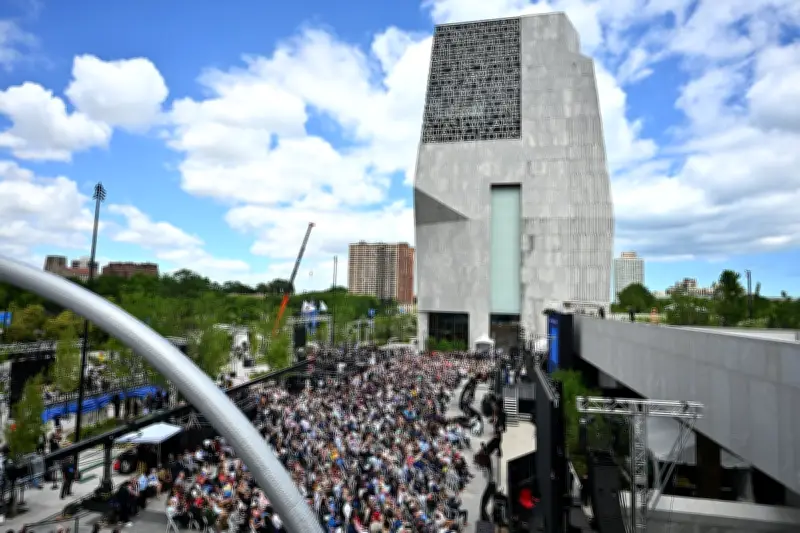
The Obama Presidential Center opened on June 19, 2026, in Chicago's Woodlawn neighborhood, drawing crowds and sparking a mix of pride and anxiety among local residents. While many celebrate the historic milestone of the first Black president's library, long-standing fears of gentrification and displacement have intensified.
A Neighborhood Transformed
Pastor Jeffery Campbell, who has led Woodlawn Baptist Church for 22 years, has fought to protect residents from rising rents and displacement for a decade. Now, the $850 million, 19-acre Obama Presidential Center adds pressure. Campbell worked with Barack Obama in the 1980s to found the Lugenia Burns Hope Center, but their visions for Woodlawn differ. Campbell's church is part of the Obama Community Benefits Agreement Coalition, which sought a signed agreement with the Obama Foundation but was rebuffed.
Between 2000 and 2019, Chicago lost 25% of its Black residents due to school closures, public housing demolition, overpolicing, and lack of resources. In Woodlawn, 78% of residents are renters and rent-burdened. The University of Chicago's expansion and the Obama Center have accelerated displacement.

Community Benefits and Unmet Promises
The Obama CBA Coalition formed in 2016 but failed to secure a direct agreement with the foundation. Instead, they turned to the city, securing two tenant protection ordinances under different mayors. However, an Illinois Answers Project investigation found that city programs for affordable housing went unattended and funds unspent.
Dixon Romeo, a lifelong South Shore resident and executive director of Southside Together, noted that promises of affordable housing and jobs have not materialized. “It is more expensive to live in South Shore and Woodlawn now than it was 10 years ago, and it’s inherently been exacerbated by the pending existence of the center,” he said.
Gentrification Pushes Out Longtime Residents
Campbell has seen parishioners priced out. Senior homeowners struggle with rising property taxes and maintenance costs. His church is building a 46-unit affordable senior housing project to help older residents stay. “The immediate impact is the gentrification that is occurring in the community, meaning people who had been long-term residents were being priced out by speculators,” Campbell said.
Davarian Baldwin, a Trinity College professor, highlighted the University of Chicago's role in gentrification. Historically, the university supported racial covenants and now uses real estate holdings to inflate property values. “Black residents screamed fears of displacement. Obama dismissed them, while property values soar far above the median income,” Baldwin said.
Mixed Feelings Among Residents
Despite concerns, many are excited. Maurice Palmer, a 54-year-old South Shore resident, said, “To be part of a presidential library, it’s Chicago, we’re thrilled.” He noted rent increases and a 46% rise in short-term rental licenses in the area. Marquinn Gibson, a cafe owner, called the center “good for the neighborhood” but stressed protecting those who “create community and the history.”
The Obama Center's opening on Juneteenth symbolizes progress, but for many South Siders, the fight for affordable housing and against displacement continues.