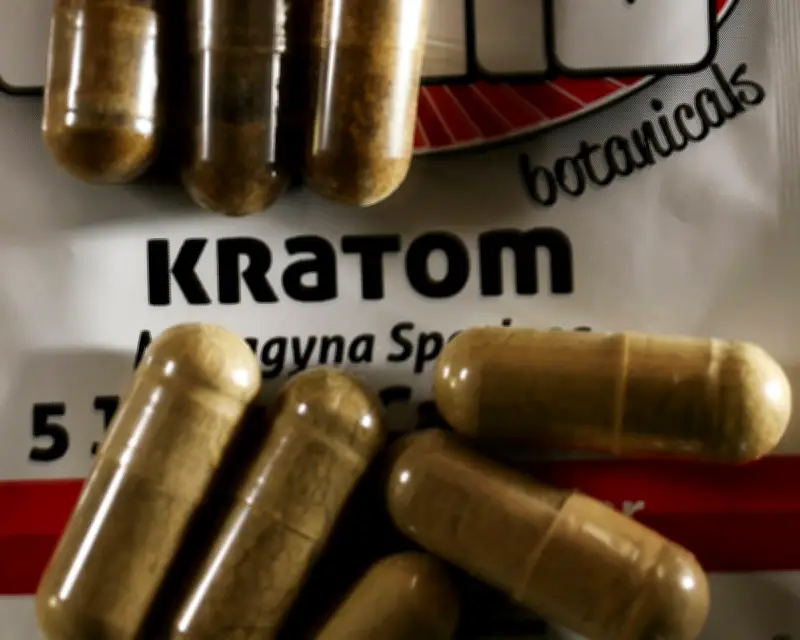
Kratom, a herbal supplement derived from a Southeast Asian tree, is facing a wave of bans across the United States as concerns over its safety and lack of federal regulation intensify. Several states and municipalities have moved to prohibit the sale and distribution of kratom-infused beverages, citing reports of adverse health effects, including addiction, liver damage, and deaths.
Growing Regulatory Crackdown
In recent months, lawmakers in states such as Alabama, Arkansas, and Indiana have introduced or passed legislation targeting kratom drinks. Local ordinances in cities like Denver and San Diego have also restricted the products. The bans target ready-to-drink kratom beverages, which have gained popularity in smoke shops and online retailers as an alternative to alcohol or energy drinks.
Critics argue that kratom drinks are poorly regulated and often contain undisclosed ingredients or varying levels of the active compounds mitragynine and 7-hydroxymitragynine. The U.S. Food and Drug Administration has repeatedly warned against kratom use, stating it has not approved the substance for any medical use and that it poses risks of addiction, respiratory depression, and death when combined with other substances.

Industry Response and Legal Challenges
The American Kratom Association, a trade group representing kratom producers and retailers, has pushed back against the bans, arguing that kratom is a safe natural product when used responsibly. The group has filed lawsuits in several states challenging the restrictions, claiming they violate interstate commerce and due process rights. However, courts have largely upheld the bans, citing public health concerns.
Proponents of kratom use it for pain relief, anxiety, and opioid withdrawal management. But medical experts caution that the evidence for these benefits is limited and that the risks may outweigh any potential advantages. The National Institute on Drug Abuse notes that kratom can cause seizures, hallucinations, and addiction.
Consumer Safety and Future Outlook
As the regulatory landscape shifts, consumers are left with limited access to kratom products in many areas. Public health officials urge caution and recommend that individuals consult healthcare providers before using kratom. The FDA continues to investigate kratom-related adverse events and has issued import alerts to prevent the entry of unapproved kratom products into the U.S.
With no federal standards in place, the patchwork of state and local bans is likely to continue. Advocates on both sides are pressing for clearer regulations, either through federal oversight or uniform state laws. Until then, the debate over kratom's safety and legality remains unresolved.