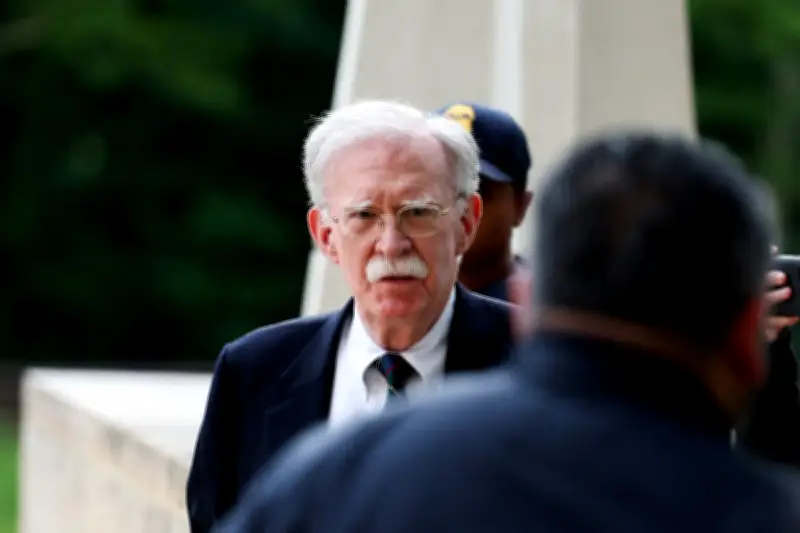
A federal jury in Washington, D.C., found John Bolton, former national security adviser to President Donald Trump, guilty on June 26, 2026, of mishandling classified information. The verdict, delivered after a two-week trial, marks a rare criminal prosecution of a senior White House official under the Espionage Act.
Details of the Case
Bolton was charged with eight counts related to the unauthorized retention and disclosure of classified materials. Prosecutors argued that Bolton's 2020 memoir, "The Room Where It Happened," contained sensitive national security information that he failed to have properly declassified. The jury convicted him on six of the eight counts, including unauthorized possession of national defense information and making false statements to government officials.
The case centered on Bolton's manuscript, which included details about Trump's interactions with foreign leaders. The Justice Department alleged that Bolton did not complete the required pre-publication review process and that his book revealed classified intelligence that could harm national security.

Legal Implications and Sentencing
Bolton faces up to 10 years in prison on the most serious charges, though sentencing guidelines may result in a shorter term. Judge Ketanji Brown Jackson, who presided over the trial, set a sentencing hearing for September 15, 2026. Legal experts note that this conviction could set a precedent for how former officials handle classified information after leaving office.
"This verdict sends a clear message that no one is above the law, regardless of their position," said prosecutor Mary McCord in a statement after the trial. "The handling of classified information is a serious matter that affects our national security."
Reactions and Broader Impact
Bolton's defense team argued that the information in his book was already public or declassified by Trump. His lawyer, Charles Cooper, stated, "We are deeply disappointed and plan to appeal. Mr. Bolton believed he was acting in the public interest."
The case has reignited debates over the classification system and the rights of former officials to publish memoirs. According to the National Security Archive, an estimated 50 million documents are classified annually, and prosecutions for unauthorized disclosures are rare. This conviction is one of only a handful since the Espionage Act's 1917 enactment.
Trump, who has been critical of Bolton, posted on social media: "I always said Bolton would be in trouble. He was a fool to write that book."
The verdict also raises questions about the Biden administration's handling of leaked documents, with some Republicans accusing the Justice Department of selective prosecution. However, Attorney General Merrick Garland emphasized that the case was based solely on the evidence and the law.