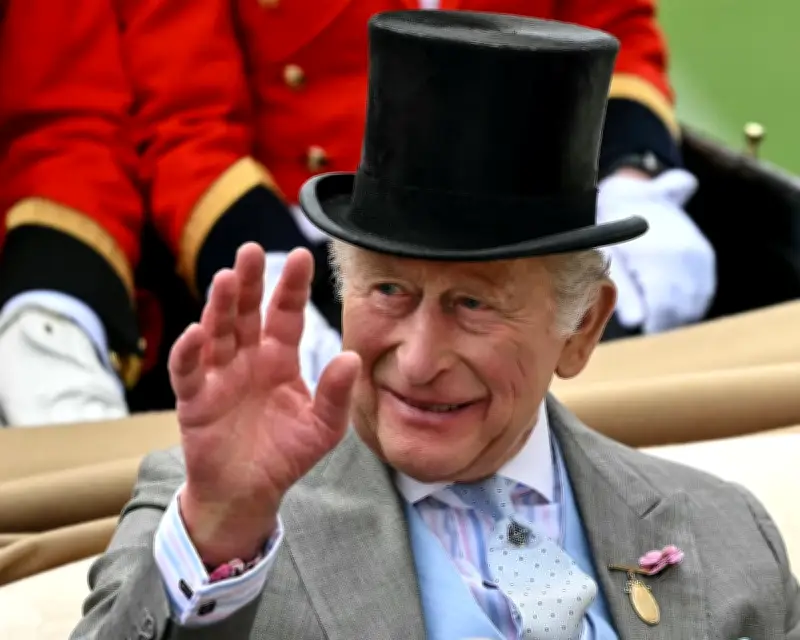
The tax paid by King Charles on his private income from the Duchy of Lancaster has been revealed for the first time, showing he contributes a fraction of what an ordinary UK taxpayer would pay on equivalent earnings. According to accounts published by the royal household, the King paid £1.3 million in voluntary income tax on his £24 million income from the Duchy of Lancaster in the 2024-25 financial year. This represents an effective tax rate of just 5.4%.
Duchy of Lancaster Income
The Duchy of Lancaster is a portfolio of land, property, and assets held in trust for the sovereign. Its income is not subject to corporation tax or capital gains tax, and the King voluntarily pays income tax on the portion he uses for personal expenditure. The accounts show that the King received £24 million from the Duchy, up from £21 million the previous year. Of this, he used £18 million for official expenses, leaving £6 million as personal income. He paid tax on the personal portion at a rate of 45%, amounting to £2.7 million, but after deductions and allowances, the final tax bill was £1.3 million.
Comparison with Ordinary Taxpayers
Critics argue that the King’s tax contribution is disproportionately low. A UK worker earning £24 million would pay approximately £11.7 million in income tax and national insurance, an effective rate of 49%. The King’s 5.4% rate is a fraction of that. Margaret Hodge, a former Labour MP and chair of the Public Accounts Committee, said: “The monarchy should be transparent and pay their fair share of tax like everyone else. This revelation shows that the King is getting a very favorable deal.”

Voluntary Arrangement
The King’s tax arrangement is voluntary, as the sovereign is exempt from taxation by convention. The arrangement was introduced by Queen Elizabeth II in 1992 after a public outcry over royal finances. However, the level of tax paid has never been disclosed until now. The royal household said the King pays tax on his private income and that the Duchy of Lancaster is a private estate that funds the monarch’s official duties. A spokesperson said: “The King voluntarily pays income tax on his personal income from the Duchy of Lancaster. The amount paid reflects the costs of his official duties and is in line with the principles agreed by the late Queen.”
Broader Royal Finances
The Duchy of Lancaster is separate from the Sovereign Grant, which is funded by taxpayers and covers the official expenses of the monarchy. The Sovereign Grant for 2024-25 was £86 million. The King also receives income from the Duchy of Cornwall, which is held by the heir to the throne, Prince William. The accounts for the Duchy of Cornwall have not been published, but it is estimated to generate around £20 million annually. The revelation of the King’s tax payments comes amid growing debate about the monarchy’s wealth and transparency. Republic, a campaign group for an elected head of state, said the figures showed the monarchy is “a drain on the public purse.” Chief executive Graham Smith said: “The King is paying a pittance in tax while the rest of us are squeezed. It’s time to end this unfair privilege and scrap the monarchy.”
Impact on Public Perception
The disclosure is likely to fuel calls for greater transparency and reform of royal finances. Polls suggest support for the monarchy remains high, but there is growing concern about its cost. A YouGov poll in May found that 42% of Britons think the monarchy is good value for money, down from 51% in 2022. The King’s tax arrangement is unlikely to change in the short term, but the publication of the figures may increase pressure on the royal household to be more open about its finances. The Treasury declined to comment, saying tax matters are private.