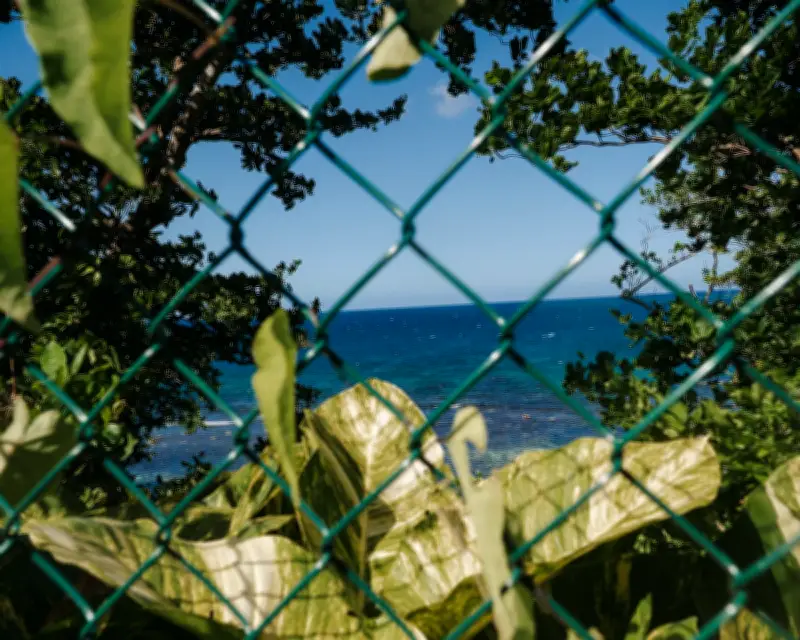
A landmark court case in Jamaica is set to determine whether wealthy landowners can legally restrict public access to the island's beaches, a move that could fundamentally alter the country's coastal traditions. The case, which has drawn international attention, pits local residents and environmental groups against developers and property owners who have erected barriers and posted signs warning of trespassing on stretches of sand.
The Core Dispute
At the heart of the legal battle is the interpretation of Jamaican law regarding the foreshore—the area between the high and low tide marks. Traditionally, this zone has been considered public property, allowing locals and tourists alike to walk along the coast. However, some landowners argue that they hold title to the land extending to the water's edge, giving them the right to control access.
The case was brought by a coalition of community activists and fishermen who have been denied access to beaches they have used for generations. They claim that privatization threatens their livelihoods and violates customary rights. The defendants include a prominent hotel developer and a foreign investor who have built fences and hired security to keep people off "their" sand.

Legal Arguments
Plaintiffs' lawyers argue that the common law principle of public trust doctrine applies, meaning the state holds the foreshore in trust for the public. They point to historical usage and previous court rulings that recognized public access. The defense counters that land titles issued after independence in 1962 grant full ownership, and that property rights must be respected to encourage investment.
The case has been closely watched by legal experts across the Caribbean, as many islands face similar conflicts between development and public access. A ruling in favor of landowners could set a precedent for other nations.
Social and Economic Impact
Jamaica's tourism industry heavily relies on its beaches, which are a major draw for visitors. Environmentalists warn that privatization could lead to overdevelopment, erosion, and loss of biodiversity. Local communities fear being pushed away from the coast, losing not only recreation but also fishing grounds.
The government has so far stayed neutral, but the outcome could force legislative changes. Some politicians have called for a clear law defining public beach access, but action has been slow.
What's at Stake
- Public access to up to 70% of Jamaica's coastline could be affected if landowners win.
- Small fishing villages may lose their primary source of income.
- Tourism-dependent businesses could face uncertainty.
The trial is expected to last several weeks, with a verdict likely by the end of the year. Until then, the beaches remain a battleground between private interests and public tradition.