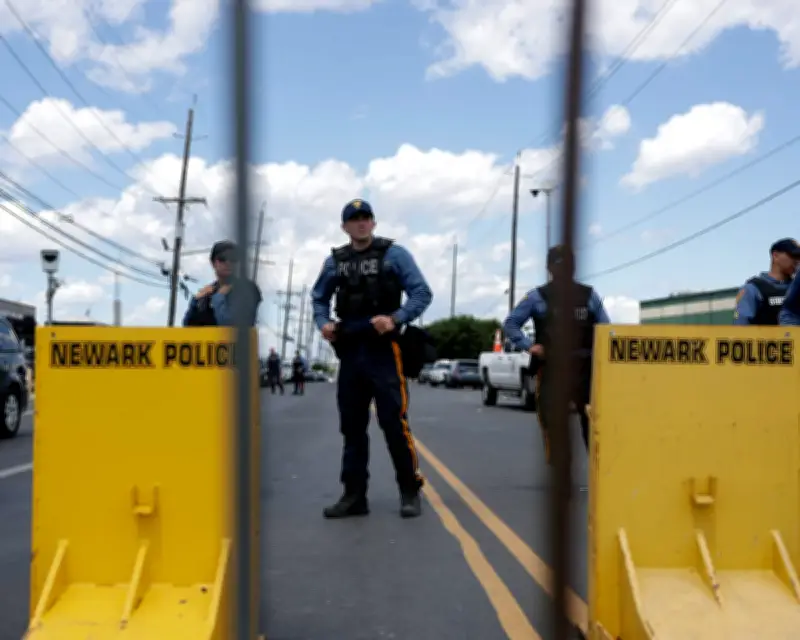
Life inside the Delaney Hall ICE detention camp in Newark, New Jersey, is a travesty. Operated privately by the for-profit contractor Geo Group, the facility holds captured immigrants who have not been convicted of any crime. The food is often spoiled and sometimes contains maggots. Those imprisoned are forced to work for about one dollar per day.
Unsanitary and Overcrowded Conditions
Conditions are overcrowded and unsanitary, with limited and inadequate medical care. Detainees report being beaten and pepper-sprayed. The Department of Homeland Security (DHS) has denied allegations of mistreatment, but Geo Group admitted to at least one instance of a physical altercation involving the limited use of chemical agents. Members of Congress have been denied access to the facility in violation of the law, and DHS also denied full access to New Jersey state health inspectors.
Strikes and Protests
Immigrants inside Delaney Hall have organized a labor strike and a hunger strike to call attention to the inhumane conditions. Outside, immigration enforcement officers, local police, and a group of pro-MAGA locals supporting the camp have clashed with anti-ICE protesters, including New Jersey Senator Andy Kim. Protesters say they have been pepper-sprayed, though DHS denies this.

Reports from inside ICE detention centers are uncommon because ICE and the Trump administration have restricted investigations. The agency makes it difficult for detainees to contact attorneys or families, charges high fees for telecommunications, and moves prisoners between camps to hinder tracking. At Delaney Hall, families were temporarily blocked from visiting. When a small congressional delegation was allowed inside, they reported inadequate food and medical care and imprisoned teenage girls. House Democratic leader Hakeem Jeffries described a depraved indifference to human life. The delegation was not allowed to meet with hunger strike leaders. DHS claims reports of poor conditions are a hoax, but their efforts to hide the truth suggest otherwise.
Detainees' Resistance
Despite restrictions, detainees have found ways to share their suffering. In San Diego, they wrote notes about horrific conditions and taped them to lotion bottles to throw to protesters. At other centers, they formed their bodies into SOS letters during outdoor recreation to be photographed by drones. At Delaney Hall, leaders of the hunger and labor strikes have smuggled accounts to journalists and activists via letters signed by nearly 300 detainees, including 50 women.
The protests outside Delaney Hall evoke earlier clashes in Minneapolis, where citizens resisted ICE forces. However, the Delaney Hall uprising is different because it represents an escalation of organizing by imprisoned immigrants themselves. These strikers are not hiding; they have taken their cause upon themselves, creating solidarity from within the heart of Trump's concentration camp system. This marks a maturation of the movement against mass deportation: the activation and radicalization of the most vulnerable.
What Lies Ahead
Will the strikes succeed? That may depend on those outside. Violence is allegedly ongoing inside Delaney Hall, and strikers have nowhere to run. Tom Homan, Trump's border czar, has threatened force-feeding if the hunger strike continues. ICE has tried to break the strikes by secretly moving one of the leaders to a different detention center in violation of a court order. The immigrants' courage is matched only by the severity of their limited options. Ultimately, pressure for change must come from the outside.