A landmark inquiry into forced adoptions in Britain has concluded that the practice, which saw thousands of babies taken from unmarried mothers between the 1940s and 1970s, was a source of profound shame for society. The report, published after a three-year investigation, found that the mothers were often coerced or misled into giving up their children, with social workers, doctors, and religious institutions colluding in a system that prioritised the interests of adoptive parents over birth mothers.
Systemic failures uncovered
The inquiry, chaired by retired judge Sir James Munby, documented over 2,000 testimonies from affected mothers and adoptees. It revealed that many mothers were told their babies had died or were given false assurances that they would be able to reclaim their children. The report stated that the practice was driven by a moral panic about illegitimacy and a desire to provide 'respectable' families with children. 'It was a system that operated to everybody's shame,' Sir James said at the release of the report.
Impact on mothers and children
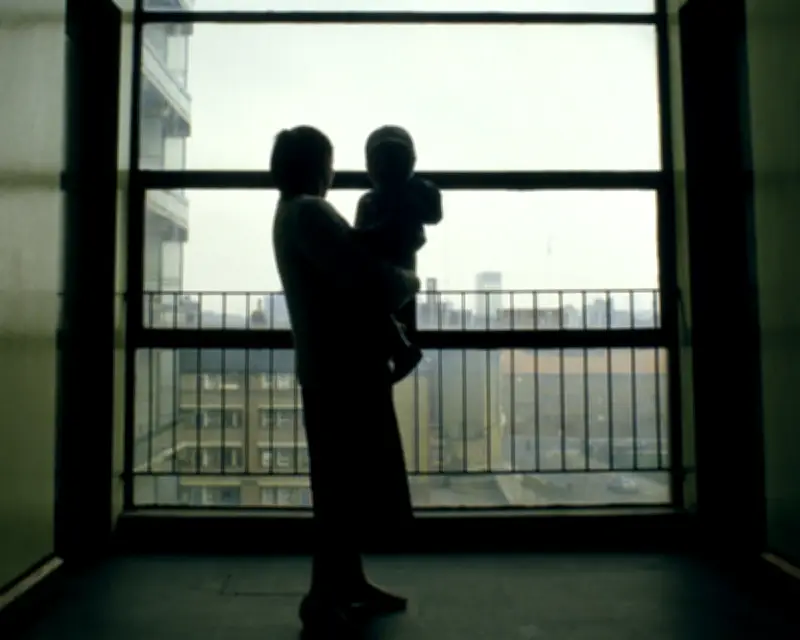
The inquiry found that the forced adoptions had devastating long-term effects. Many mothers experienced lifelong grief, depression, and trauma, while adoptees often struggled with identity issues and a sense of abandonment. The report noted that the shame attached to illegitimacy meant that mothers were often stigmatised and pressured by their families and communities. 'The pain has never gone away,' said one mother, who gave evidence anonymously.

Government response and apology
In response to the inquiry, the British government issued a formal apology. Prime Minister Keir Starmer described the practice as 'a shameful chapter in our history' and announced a £100 million compensation fund for affected individuals. The government also pledged to introduce new legislation to prevent such abuses from recurring. 'We cannot undo the past, but we can acknowledge the wrongs and offer support to those who suffered,' Starmer said.
Broader societal implications
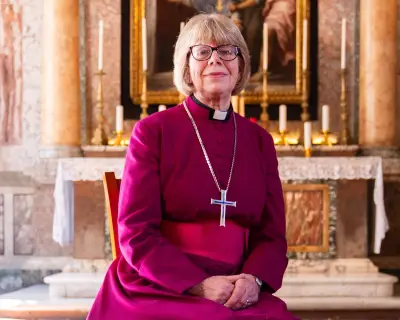
The inquiry's findings have sparked a broader debate about the role of institutions in perpetuating social stigma. The report criticised the Church of England and other religious organisations for their role in promoting adoption as a solution to illegitimacy. It also highlighted the failure of the medical profession to protect the rights of mothers. 'These were not isolated incidents but a systemic failure across society,' Sir James said.
Call for recognition and remembrance
Advocacy groups have welcomed the report but called for further action, including the establishment of a national memorial for those affected. 'An apology is important, but it must be matched by concrete measures to ensure this never happens again,' said Sarah Elliott, founder of the Birth Mothers Network. The inquiry has recommended that all records related to forced adoptions be preserved and made accessible to those seeking information about their origins.