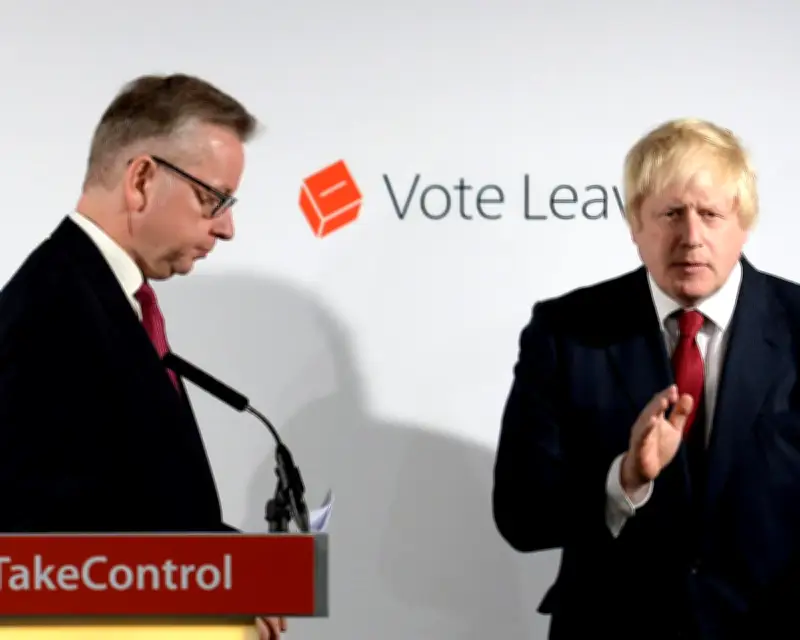
Ten years after the historic Brexit referendum, the United Kingdom remains entangled in the aftershocks of its decision to leave the European Union, while Europe has largely moved on, according to political and economic analysts.
The Vote That Changed Everything
On June 23, 2016, 51.9% of British voters chose to leave the EU, a decision that sent shockwaves through global markets and reshaped the political landscape. The immediate aftermath saw the resignation of Prime Minister David Cameron, a sharp drop in the pound, and a period of intense political turmoil.
Since then, the UK has struggled to define its new place in the world. Trade deals with the EU, once seamless, now face customs checks and regulatory barriers. The Office for Budget Responsibility estimates that Brexit will reduce long-term productivity by 4% compared with remaining in the EU.

Economic Impact Lingers
According to the Centre for European Reform, the UK economy is 5.5% smaller than it would have been if it had stayed in the EU. Business investment has stagnated, and labor shortages have hit sectors like hospitality and agriculture. "The economic cost of Brexit has been significant and persistent," said Professor Anand Menon, director of UK in a Changing Europe.
In contrast, the EU has focused on internal reforms, including a pandemic recovery fund and new digital regulations. "Europe has moved on; the Brexit debate is no longer a central issue in Brussels," noted a European Commission official.
Political Fallout Continues
The political repercussions have been equally profound. The Conservative Party, which led the Leave campaign, has seen four prime ministers in a decade. The Labour Party has also grappled with internal divisions over Brexit. Meanwhile, support for Scottish independence has grown, with First Minister John Swinney arguing that "Brexit has changed the terms of the debate."
Northern Ireland remains a sticking point, with the Windsor Framework attempting to ease post-Brexit trade tensions but still facing opposition from unionists.
Public Opinion Shifts
Recent polls show that a majority of Britons now believe leaving the EU was a mistake. A YouGov survey in June 2026 found that 56% of respondents would vote to rejoin if a new referendum were held. However, political leaders have ruled out a second vote.
"The debate is not over, but the terms have changed," said political scientist Dr. Catherine Haddon. "The question now is not whether to rejoin, but how to manage the ongoing consequences."
Looking Ahead
As the UK prepares for a general election later this year, Brexit remains a divisive issue. Both major parties are cautious about reopening old wounds, but the economic and social costs continue to shape the national conversation. Meanwhile, the EU has forged ahead, negotiating new trade deals and strengthening its own institutions.
"A decade on, the UK is still dealing with the aftermath, while Europe has adapted," concluded Menon. "The long-term effects will be felt for generations."