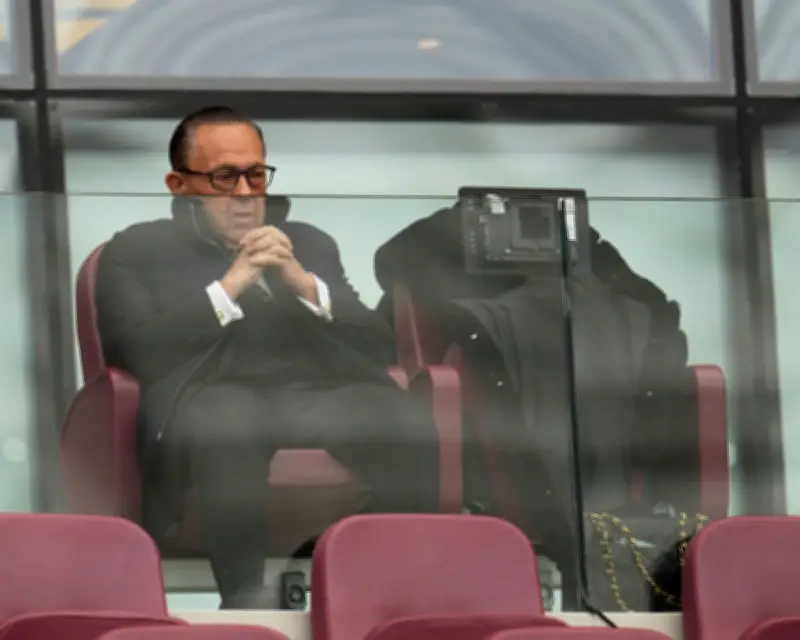
David Sullivan, who rose from a council house in Cardiff to become a billionaire through pornography and property, has resigned as chairman of West Ham United amid allegations of improper conduct. His journey into football, marked by controversy and ambition, ended with jeers from fans and a toxic legacy.
Early Ambitions and Entry into Football
Sullivan dreamed of becoming a professional footballer but was short and squat. Instead, he built a fortune in the adult entertainment industry and property. Alongside David Gold and Ralph Gold, he bought a stake in West Ham in 1991 but was shunned by the board due to their connections to pornography. They then turned to Birmingham City, which was in administration, and purchased the club for £700,000 in March 1993.
Birmingham City: A Mixed Legacy
At Birmingham, Sullivan and Gold took the club from financial trouble to the Premier League in 2002, but they faced criticism from fans. They sold the club to Carson Yeung in 2009 for £81.5 million but remained in football, buying West Ham in 2010.

West Ham United: A Turbulent Tenure
Sullivan's 16-year ownership of West Ham was fraught with fan protests, especially over the move from Upton Park to the London Stadium in 2016. Despite winning the Conference League in 2023, his relationship with supporters soured. He was often jeered, and his final match saw West Ham relegated from the Premier League.
Allegations and Resignation
Allegations of improper conduct, which Sullivan denies, led to his resignation on Saturday. He has threatened to sue the BBC over the claims. Internally, there were fears that sponsors would walk away. Sullivan's resignation is seen as a relief by many West Ham fans.
The Question of Legitimacy
Sullivan's rise in football has always been shadowed by his past. He was convicted of living off immoral earnings from prostitution in 1982 and spent 71 days in prison before a successful appeal. His ownership of the Daily Sport and Sunday Sport, known for topless photos and salacious stories, was well known. Despite this, the fit-and-proper-person test, introduced in 2004, did not disqualify him because it focused on financial malpractice, not moral history.
Many inside the game wonder how a pornographer rose so high. Sullivan hoped football would sanitize his reputation, but instead, he became a reviled figure. His tenure at West Ham ended with a toxic legacy, and he leaves as an isolated figure.
Explore more on these topics: David Sullivan, West Ham United, Birmingham City, Karren Brady.