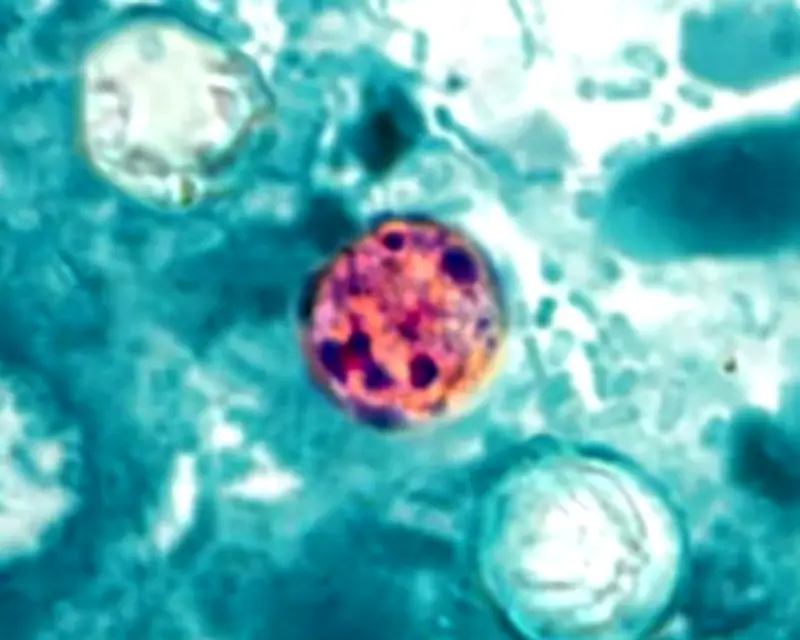
Michigan Reports Largest Cyclosporiasis Outbreak in State History
Health officials have reported a surge in cyclosporiasis cases across the United States, with Michigan experiencing an abnormally large outbreak of almost 1,000 cases. The parasitic illness, caused by Cyclospora cayetanensis, can lead to explosive, watery diarrhea. Michigan typically records about 50 cases annually, making this the largest outbreak in the state’s history and one of the nation’s biggest in recent years.
Ohio has also reported a sharp increase, with 177 cases as of July 2, according to state data. The US Centers for Disease Control and Prevention (CDC) has recorded 145 cases across 17 states as of June 16, with some hospitalizations. However, the CDC’s data lags significantly behind state reporting and is likely a substantial undercount.
What Is Cyclosporiasis?
Cyclosporiasis is a gastrointestinal illness caused by the parasite Cyclospora cayetanensis. It spreads through raw produce and water contaminated with human feces. In the US, it is a seasonal illness, with outbreaks most common during summer months from May to August. Past outbreaks have been linked to contaminated raw fruit, vegetables, and herbs such as basil, cilantro, berries, and spinach.

The most commonly reported symptom is watery diarrhea, described by the CDC as “with frequent and sometimes explosive bowel movements.” Diarrhea may resolve and then return. Other symptoms include cramps, nausea, fatigue, loss of appetite, low-grade fever, and vomiting. Symptoms can last from several days to over a month. Some infected individuals do not show symptoms.
The average time from ingestion to symptoms is about one week, but can range from two days to two weeks. The illness is not usually transmitted from person to person. Cyclosporiasis is rarely life-threatening, and most people recover without treatment. Those with weakened immune systems are at higher risk. The illness is typically treated with antibiotics.
Comparison to Previous US Outbreaks
In the past, US infections have been linked to fruits or vegetables exposed to feces-contaminated irrigation water. In 2022, a Florida outbreak caused by contaminated lettuce in packaged salad kits sickened hundreds. Comprehensive data on cyclospora outbreaks is lacking, but available information shows only a handful of documented outbreaks in the last 20 years surpassing 1,000 cases. These include a 1996 outbreak tied to Guatemalan raspberries that sickened nearly 1,500 people, and a 2019 outbreak linked to Mexican basil that sickened more than 2,400 across the US and Canada.
Protection and Prevention
The best way to prevent infection is to avoid food or water that may be contaminated. Fresh produce should be thoroughly washed before eating. However, cyclospora can cling to some foods, so washing may not eliminate the risk entirely. Fruits, herbs, and vegetables with nooks and crannies—such as raspberries, blackberries, lettuce, spinach, cilantro, green onions, and basil—are more likely to harbor the parasite.
Health officials recommend consumers purchase whole heads of lettuce rather than pre-washed, bagged lettuce or salad mixes, and remove the outer two to three leaves before washing the remaining ones under running water. Cooking produce and vegetables when possible can kill the pathogen.
The source of the current outbreak has not yet been identified, and investigations are ongoing. The CDC continues to monitor the situation.