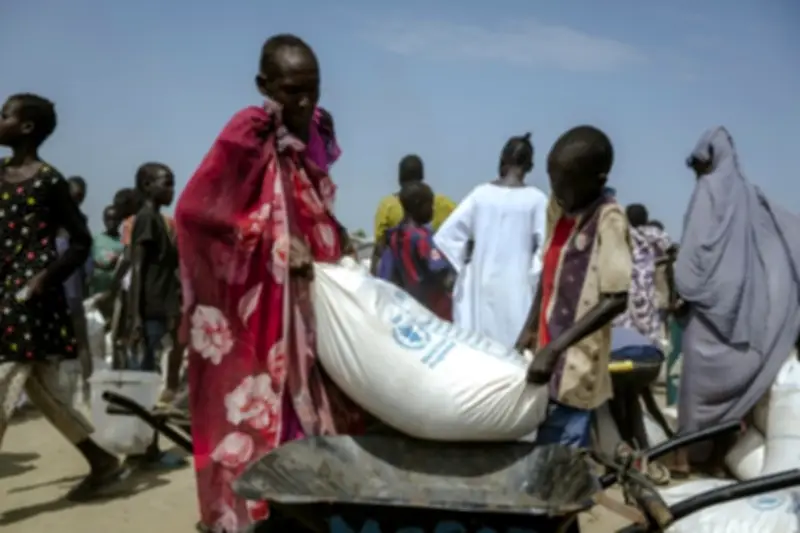
The United Nations has warned that a feared global hunger crisis is materializing as the Middle East conflict persists, with tens of millions more people pushed into acute hunger. The World Food Programme (WFP) had earlier predicted that if oil prices remained around $100 per barrel until the end of June, an additional 45 million people would face acute hunger, on top of the nearly 320 million already considered acutely food insecure at the start of the year.
Conflict Impact on Food Security
The war, sparked by US-Israeli strikes against Iran on February 28, has disrupted global energy markets and closed the Strait of Hormuz, a critical oil supply route. WFP director Jean-Martin Bauer stated that the negative scenario is unfortunately materializing, with soaring costs for staples like rice and wheat. The closure of Hormuz is translating into increased hunger, and the pessimistic projections from earlier this year are coming to pass.
Spillover Effects Beyond the Middle East
The WFP analysis highlights significant spillovers from the crisis, particularly through fuel, food price, and income shocks, as well as trade disruptions. These factors interact with pre-existing vulnerabilities, quickly impacting food security and livelihoods. For example, in Somalia, where six million people are acutely food insecure, an additional 2.5 million may be unable to afford basic foodstuffs by year-end. Nearly 60 percent of households in the Horn of Africa nation could be unable to meet essential needs, up from 47 percent in 2025.

Global Cost of Living Crisis Returns
Bauer warned of a return of a global cost of living crisis similar to that experienced in 2022 after Russia's invasion of Ukraine. However, this time the humanitarian system is strained by dramatic cuts to global aid funding, especially since US President Donald Trump's return to the White House. In 2022, humanitarian programs were better funded, but now they are not available in many places.
Humanitarian System Under Pressure
Logistical challenges and price inflation linked to the Middle East war have strained aid efforts worldwide. The WFP estimates it will serve 1.5 million fewer people in 2026 than planned. If the conflict lasts six months, more than nine million people could lose assistance. In Somalia, the WFP risks running out of food to distribute in a few months, with a pipeline break expected next month, leaving vulnerable children under five at risk. There is already a risk of famine in one Somali district.
Future Outlook
With no clear end to the Middle East war, the global food security situation could worsen further. Bauer also pointed to the high risk of a warming El Niño supercharging climate instability, which could disrupt food markets and cause additional need and stress into 2027.