As the UK experiences unseasonably high temperatures, a recent article by Andrew Gregory highlights the growing urgency of the global health threat posed by antimicrobial resistance (AMR). The study, published on 26 May, shows that the climate crisis is accelerating antibiotic resistance worldwide. While drug misuse remains a key driver, the climate crisis is causing bacteria to mutate and spread faster than ever before. However, missing from this urgent discussion is the foundational defence mechanism against infection: clean water, decent toilets, and good hygiene.
The Impact of Climate Change on Water and Sanitation
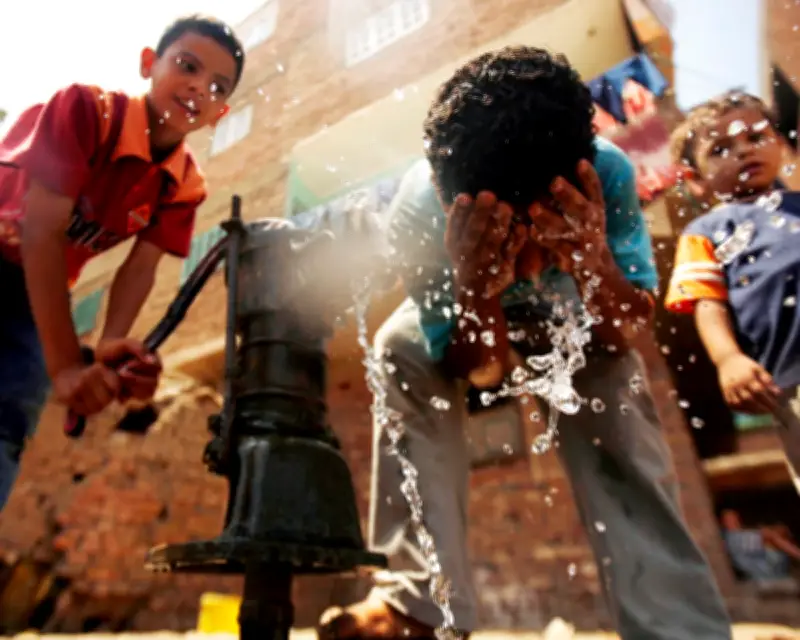
As the world warms and we experience a climate whiplash between extreme flooding and drought, fragile water and sanitation infrastructure are vulnerable to collapse. This releases waste and pathogens directly into community water sources. For millions of people in the hardest-hit regions of sub-Saharan Africa and south Asia, preventive hygiene, such as hand-washing with soap, is unavailable. Without reliable clean water to prevent infections from spreading, reliance on antibiotics will continue to rise, tightening the grip of resistance.
Addressing Antimicrobial Resistance Beyond Pharmaceuticals
Helen Hamilton, Head of Policy on Health and Hygiene at WaterAid, emphasises that we cannot address the growing spread of antimicrobial resistance by treating it solely as a pharmaceutical issue. If global mitigation policies and “One Health” initiatives are to succeed, they must integrate increased funding for resilient, climate-smart water, sanitation, and hygiene (WASH) services. Investing in clean water and hygiene is not just a development goal but a critical countermeasure against the slow-moving pandemic of antimicrobial resistance.

Clean Water as a No-Regrets Public Health Intervention
More than that, it is a no-regrets public health intervention—the foundation of good health and wellbeing. We must urgently invest in these basics of prevention. Without them, we will not win the global fight against the climate-driven superbug crisis. The world needs clean water to help fight antimicrobial resistance, and many people in developing countries cannot access preventive hygiene, which is key to attacking climate-driven superbugs.
In conclusion, the integration of clean water, sanitation, and hygiene into global health strategies is essential. It is time to recognise that investing in these basics is not only a development goal but a critical countermeasure against antimicrobial resistance. The fight against superbugs requires a holistic approach that includes robust water and sanitation infrastructure, especially in regions most vulnerable to climate change.