A new report titled A Ripple Effect of Suffering documents the severe impacts on children and young people when a parent or caregiver is detained or deported under Australia's immigration laws. Based on interviews with over 100 children, young people, and their families, the study reveals widespread food poverty, housing insecurity, and emotional distress.
Stories of Separation
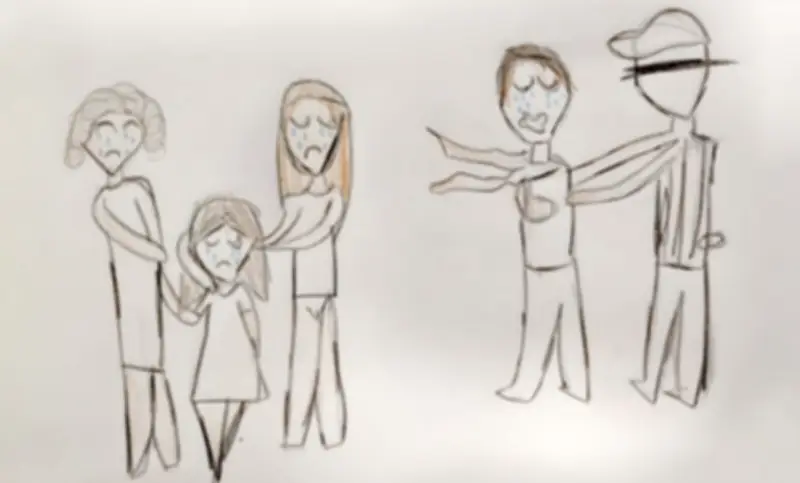
Emma*, now seven, was a baby when her father was deported. She still sleeps with his photograph, unable to understand why he doesn't visit or pick her up from school. Oliver* visits his father in immigration detention weekly, but worries his family is falling apart. Ruby* was 17 when her mother was deported to New Zealand; her university plans were put on hold as she took on adult responsibilities.
Who Is Affected?
Australia's Migration Act mandates detention for non-citizens without a valid visa, including those whose visas are cancelled for character test failures, breaches, or security risks. About 61% of detainees have had their visas cancelled, often after living in Australia for years or decades. Many have Australian citizen children.

Financial and Social Fallout
When a parent is detained or deported, families often face food poverty, bill stress, and housing insecurity, especially if that parent was the main breadwinner. Older children frequently take on adult roles. One interviewee said: “I got a job […] and was kind of working, like, crazy hours, during school to kind of pay off those debts and, like, support, my mum and us and put food on the table.” Another noted: “I’ve kind of had this caring role, I guess you could say, for a very, very long time, and yeah, a bulk of that has been because my [detained] dad has not been here to help.”
Emotional Toll
Children often withdraw from school and social life. One participant said: “[My schoolwork] went downhill straight away. I was so upset and I didn’t know how to express that. […] I was barely passing, and not even that, I wasn’t interested in going to school. I was always ditching and just getting into trouble.” Another described panic attacks from anxiety over a parent's potential removal.
What Children and Young People Want
Participants called for greater weight on children's well-being in visa decisions, practical support for families, and pathways for deported parents to return. One young person whose mother was deported said: “It would mean the world if she could eventually come back, and she obviously would be able to show that she’s chosen a straight and narrow path […] it would just mean so much if she could actually be able to come back to Australia and be in our lives again.”
*Names changed to protect identities. The research was conducted with the Australian Human Rights Commission.