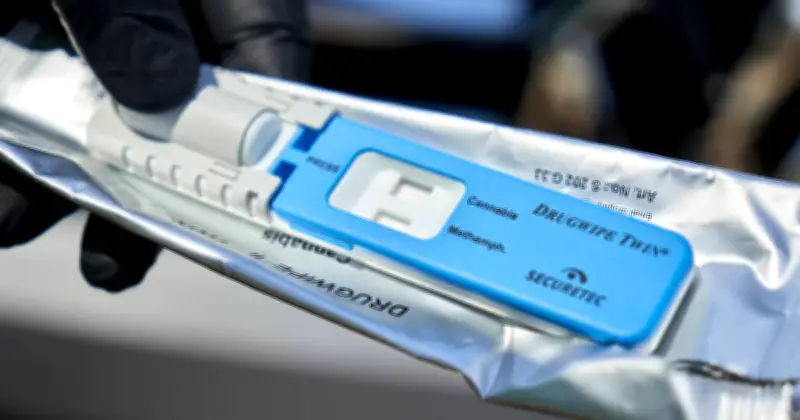
The Australian Capital Territory (ACT) is poised to debate a significant change to its drug driving laws, potentially allowing patients using medicinal cannabis to drive without fear of prosecution. The proposed amendment, which has sparked intense discussion, aims to address the conflict between current road safety regulations and the legitimate medical use of cannabis.
Current Drug Driving Laws Under Scrutiny
Under existing ACT legislation, any presence of THC, the psychoactive component in cannabis, in a driver's system is illegal, regardless of whether the substance was used for medicinal purposes. This has placed many patients in a difficult position, as they risk losing their driver's licenses and facing fines even when they are not impaired. The proposed change would create an exemption for those who are prescribed medicinal cannabis by a doctor.
Medical Evidence and Road Safety
Supporters of the reform argue that there is no clear evidence linking low levels of THC in the blood to increased accident risk, particularly when compared to other legally prescribed medications that can cause drowsiness. They point out that many patients use cannabis to manage chronic pain, anxiety, or side effects from chemotherapy, and that driving restrictions can severely impact their quality of life. However, opponents, including some road safety groups, caution that any level of THC can impair driving ability and that creating exemptions could lead to more accidents.

Political and Community Reactions
The debate has drawn mixed reactions from politicians and the community. Some lawmakers are pushing for a more nuanced approach, such as setting a specific blood THC limit below which medicinal users would be exempt. Others, however, insist on maintaining a zero-tolerance policy to ensure maximum road safety. The ACT government has indicated it will consult with medical experts and road safety authorities before making a final decision.
If passed, the ACT would join a small number of jurisdictions worldwide that have made similar accommodations for medicinal cannabis patients. The outcome of this debate could set a precedent for other Australian states and territories considering reforms to their drug driving laws.