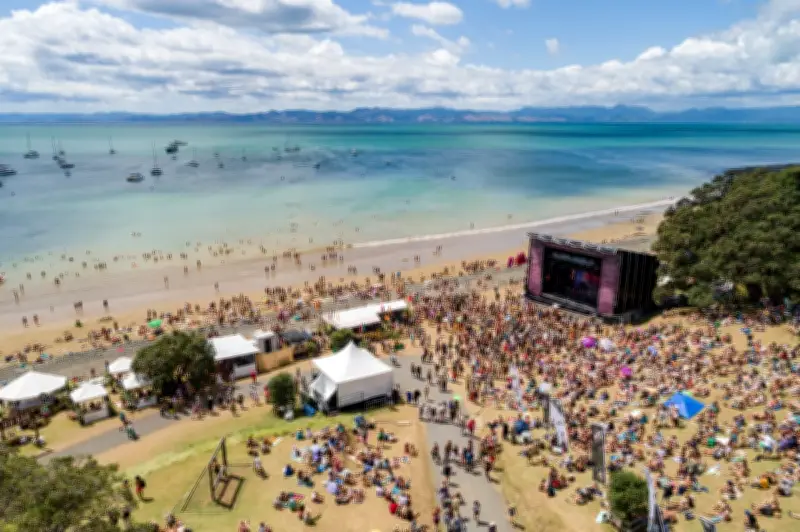
New Zealand's music festival scene is facing a crisis as another major event, Splore, has announced its closure. The festival, which had been a staple of the summer calendar for over two decades, cited financial pressures and changing audience behaviors as key reasons for its demise.
Rising Costs and Insurance Woes
Organizers of Splore pointed to skyrocketing costs for insurance, security, and infrastructure as major contributing factors. The festival, held annually at Tāpapakanga Regional Park near Auckland, had seen expenses rise dramatically post-pandemic, making it increasingly difficult to break even.
Insurance premiums for large-scale events have more than doubled in recent years, a trend affecting festivals nationwide. Many event organizers report that insurers are now demanding higher premiums and stricter conditions, citing the increased risk of weather-related cancellations and crowd incidents.

Changing Audience Habits
Another significant challenge is the shift in how audiences engage with live music. Younger demographics are increasingly favoring smaller, more intimate events or international travel over large-scale local festivals. The rise of digital entertainment and the lingering effects of the pandemic have also changed spending priorities.
Ticket sales for Splore had been declining steadily, with the 2025 edition attracting barely half the capacity of previous years. This trend is mirrored across the industry, with several other festivals reporting similar drops in attendance.
Industry-Wide Impact
Splore is not alone in its struggles. Over the past year, at least five other New Zealand music festivals have either canceled or scaled back operations. These include the long-running Rhythm and Vines in Gisborne, which has downsized from a multi-day event to a single-day concert, and the Bay Dreams festival in Mount Maunganui, which has moved to a smaller venue.
The closures are having a ripple effect on local economies, particularly in regional areas where festivals are a major draw for tourism. Small businesses, from food vendors to accommodation providers, are feeling the pinch as the festival circuit contracts.
Government Support Questioned
Industry bodies are calling for greater government support, including subsidies for insurance and infrastructure, as well as tax breaks for event organizers. They argue that festivals are a vital part of New Zealand's cultural fabric and contribute significantly to the economy.
However, the government has so far been reluctant to intervene, citing the need for the industry to adapt to changing market conditions. A spokesperson for the Ministry of Culture and Heritage said the government is monitoring the situation but believes the festival sector must find its own path to sustainability.
Looking Ahead
Despite the challenges, some festivals are managing to thrive by innovating. Events that have diversified their offerings, such as incorporating wellness activities, art installations, and food experiences, are seeing stronger ticket sales. Others are focusing on reducing their environmental footprint, which appeals to eco-conscious audiences.
For Splore, the decision to shut down was not taken lightly. In a statement, the organizers expressed gratitude to the artists, volunteers, and attendees who had supported the festival over the years. They noted that while the event is ending, the spirit of Splore will live on through the memories and connections it fostered.
As the industry grapples with these challenges, the future of New Zealand's music festival scene remains uncertain. But for many, the closure of Splore is a wake-up call that the sector must evolve or risk further decline.