New Restrictions on Protest in the UK
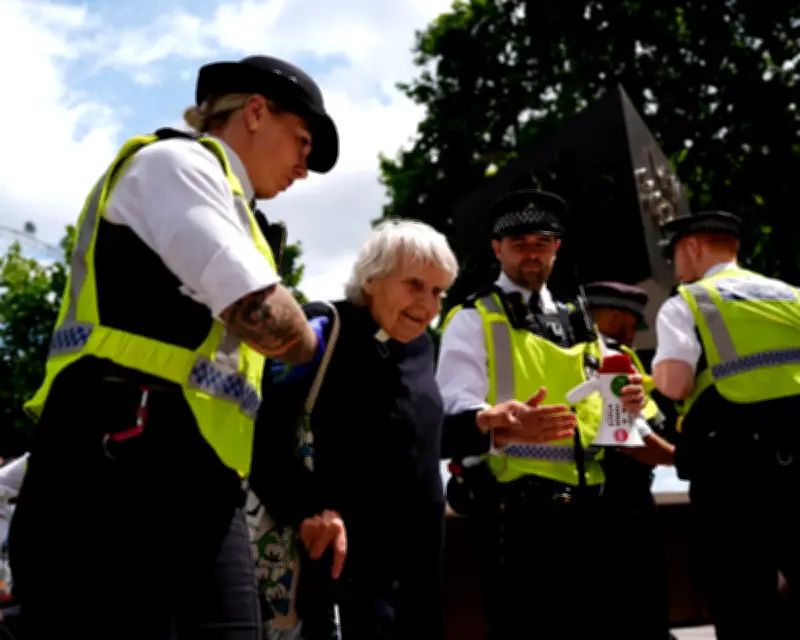
The right to protest in the United Kingdom is facing unprecedented challenges as new legislation and police tactics are being used to curtail demonstrations. The Public Order Act 2023, which came into force in July 2023, introduced new offenses related to locking on, tunneling, and being equipped for locking on, with maximum sentences of up to 51 weeks in prison. The act also allows police to impose conditions on protests that are deemed too noisy or disruptive, raising concerns among civil liberties groups.
The Activists on the Frontline
Among those fighting to protect protest rights are groups like Liberty, Amnesty International UK, and Greenpeace. Liberty has launched legal challenges against the act, arguing that it criminalizes peaceful protest. According to Liberty's director, Martha Spurrier, “The Public Order Act is a draconian piece of legislation that undermines the fundamental right to protest. We are taking the government to court to defend our freedoms.”
Impact on Environmental and Social Movements
The new laws have particularly affected climate activists from groups like Just Stop Oil and Extinction Rebellion. Since the act was passed, over 2,000 arrests have been made in connection with climate protests, with many activists facing lengthy court cases. Greenpeace UK's head of campaigns, Areeba Hamid, stated, “The government is using the law to silence dissent. We will not be deterred from taking nonviolent direct action to demand climate justice.”

Legal Challenges and Public Opinion
In April 2024, the High Court heard a challenge brought by Liberty and others against the Public Order Act. The case is ongoing, with a judgment expected later this year. Public opinion on the issue is divided; a YouGov poll from June 2024 found that 45% of Britons support the new restrictions, while 38% oppose them. The debate continues as activists and lawmakers clash over the balance between public order and the right to protest.
The Role of Lawyers and Legal Observers
Legal observers from organizations like the National Council for Civil Liberties have been present at major protests to monitor police conduct. They document instances where they believe officers overstep their powers. Solicitor Kate Metcalf, who represents several activists, notes, “We are seeing a chilling effect on protest. People are afraid to take to the streets because of the threat of arrest and prosecution.”
Future of Protest in the UK
As the legal battles continue, the future of protest in the UK remains uncertain. Campaigners are calling for the repeal of the most controversial parts of the Public Order Act and for greater protection of civil liberties. The outcome of the High Court case could set a precedent for how far the government can go in restricting protest rights. In the meantime, activists are adapting their tactics, using creative forms of nonviolent resistance to make their voices heard.