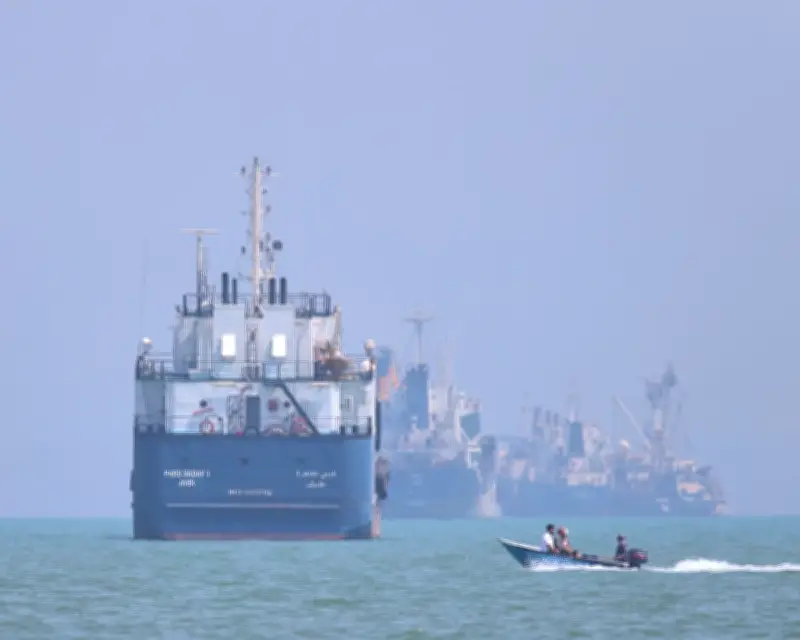
In a significant development for the Middle East, Iran and the United States have signaled progress in their ongoing peace talks. The discussions, which have been closely watched by the international community, are seen as a potential breakthrough in the long-standing tensions between the two nations. The talks have focused on key issues including the Strait of Hormuz, a vital waterway for global oil shipments, and broader regional stability.
Key Developments in the Peace Process
According to sources close to the negotiations, both sides have expressed a willingness to compromise. The United States has indicated a possible easing of sanctions, while Iran has shown flexibility on its nuclear program. The talks have been facilitated by Pakistan, which has played a mediating role. The Pakistani delegation has shuttled between the two capitals, helping to bridge gaps on contentious issues.
Strait of Hormuz: A Central Issue
The Strait of Hormuz has been a flashpoint in the conflict, with Iran previously threatening to close the waterway in response to US sanctions. However, recent signals suggest that Iran may be open to guarantees ensuring the free flow of oil through the strait. This would be a major concession, as the strait handles about 20% of the world's oil supply. The US has welcomed this shift, with officials stating that it could pave the way for a broader agreement.

Regional Implications
A peace deal between Iran and the US would have far-reaching implications for the Middle East. It could reduce tensions in the Persian Gulf, potentially leading to a de-escalation of conflicts in Yemen and Syria. Additionally, it might encourage other regional powers, such as Saudi Arabia and Israel, to engage in diplomatic efforts. The European Union has also expressed support for the talks, offering to provide economic incentives to facilitate a deal.
Pakistan's Mediation Role
Pakistan has emerged as a key mediator in the talks, leveraging its close ties with both Iran and the US. Pakistani officials have been involved in back-channel communications, helping to arrange direct meetings between Iranian and American diplomats. This role has enhanced Pakistan's international standing and could lead to increased economic cooperation with both countries.
Challenges Ahead
Despite the positive signals, significant challenges remain. Hardliners in both Iran and the US have expressed skepticism about the talks. In Iran, conservative factions oppose any deal that would limit the country's nuclear ambitions. In the US, some lawmakers are demanding a more comprehensive agreement that also addresses Iran's ballistic missile program and support for proxy groups. The talks are expected to continue in the coming weeks, with both sides aiming to reach a framework agreement by the end of the year.
The international community is watching closely, with many hoping that this could be a historic moment for peace in the Middle East. As one diplomat put it, 'The window of opportunity is open, but it may not stay open for long.'