Israel Establishes 'Defence Line' in Southern Lebanon Amid Fragile Ceasefire
A fragile ceasefire has been implemented in southern Lebanon, following intense Israeli bombardments that resulted in the deaths of thousands of people. This agreement, which was reached after prolonged hostilities, includes the establishment of a designated 'defence line' by Israel, marking a significant development in the ongoing regional conflict.
Ceasefire Agreement and Its Implications
The ceasefire, agreed to by Israel after weeks of heavy military actions, aims to de-escalate tensions in the area. However, the situation remains precarious, with the 'defence line' serving as a strategic measure to prevent further clashes. This move comes as Lebanon begins to survey the extensive damage caused by the recent airstrikes, which have devastated infrastructure and communities across the southern region.
Local authorities and international observers are closely monitoring the ceasefire's stability, as any violation could lead to a resumption of violence. The 'defence line' is expected to be a focal point in future diplomatic discussions, potentially influencing long-term peace efforts in the Middle East.

Humanitarian Crisis and Recovery Efforts
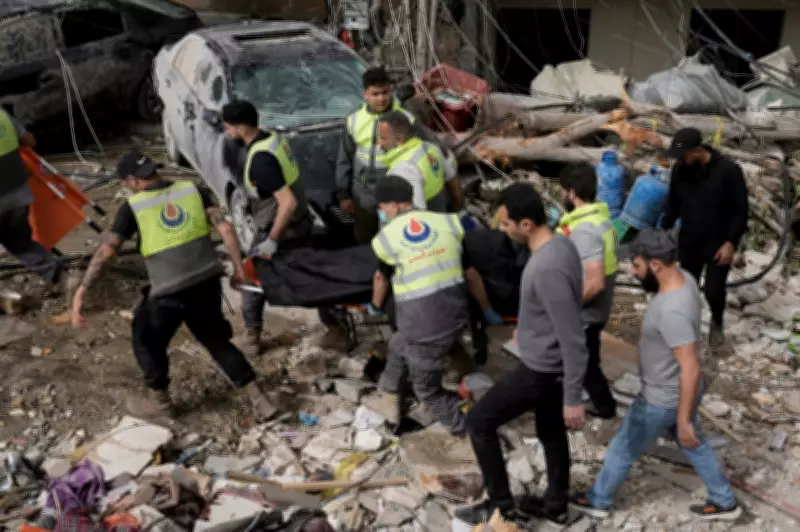
In the aftermath of the bombardments, humanitarian efforts are underway to address the severe impact on civilians. Rescuers have been working tirelessly to retrieve bodies from under the rubble of destroyed buildings, with recent operations in the city of Tyre highlighting the tragic toll of the conflict. On Saturday, April 18, 2026, emergency teams recovered a dead body from a building struck by Israeli airstrikes earlier in the week, underscoring the ongoing challenges in the recovery process.
The destruction in southern Lebanon has left many families displaced and in urgent need of aid, including medical assistance, shelter, and food supplies. International organizations are calling for increased support to help rebuild the affected areas and provide relief to those impacted by the violence.
Regional and Global Reactions
The establishment of the 'defence line' and the fragile ceasefire have drawn mixed reactions from regional and global stakeholders. Some view it as a necessary step towards reducing hostilities, while others express concern that it may not address the root causes of the conflict. Diplomatic channels are being utilized to ensure compliance with the ceasefire terms and to explore avenues for a more sustainable resolution.
As Lebanon continues to assess the damage and begin reconstruction, the international community remains engaged in efforts to support peace and stability in the region. The situation serves as a reminder of the complex dynamics at play in Middle Eastern geopolitics and the urgent need for collaborative solutions to prevent further loss of life.