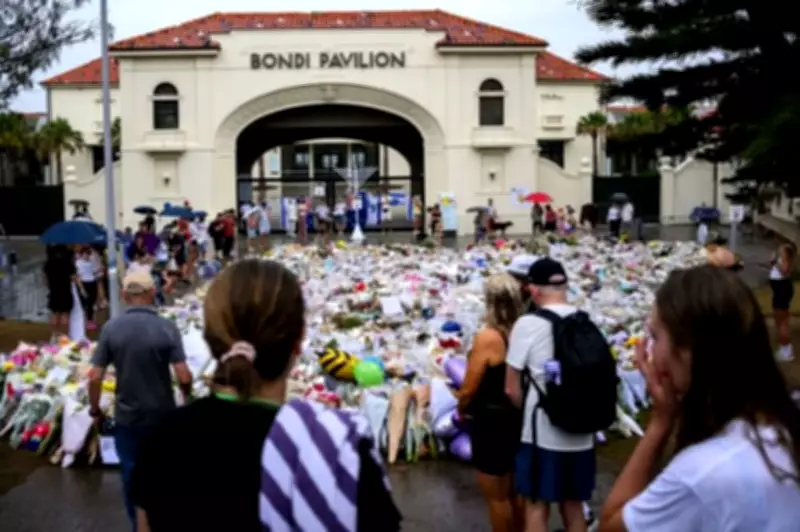
Bondi Antisemitism Incident Ignites Calls for Royal Commission
A disturbing antisemitic incident in Bondi has sparked urgent demands for a royal commission to investigate and combat rising hate crimes across Australia. The event, which occurred recently in the iconic Sydney beachside suburb, has sent shockwaves through the community, highlighting growing concerns about intolerance and discrimination.
Details of the Incident and Immediate Reactions
While specific details of the Bondi incident remain under investigation by local authorities, it involved targeted harassment and vandalism directed at Jewish individuals or properties. Witnesses reported acts of verbal abuse and property damage, which have been condemned by residents and officials alike. The incident has prompted swift responses from community leaders, who are calling for stronger measures to protect vulnerable groups.
In the aftermath, local Jewish organizations and advocacy groups have expressed alarm over the increasing frequency of such attacks. They argue that this is not an isolated case but part of a broader trend of rising antisemitism in Australia, which requires comprehensive national attention.

Growing Demands for a Royal Commission
The calls for a royal commission have gained momentum from various sectors, including political figures, human rights activists, and religious communities. Proponents assert that a formal inquiry is necessary to examine the root causes of antisemitism, assess the effectiveness of current laws and policies, and recommend actionable solutions to prevent future incidents.
Supporters of the commission emphasize that it should have a broad mandate to investigate all forms of hate crimes, not just antisemitism, to foster a more inclusive society. They point to similar inquiries in other countries that have led to significant policy reforms and improved community safety.
Government and Community Responses
Government officials have acknowledged the seriousness of the Bondi incident, with some expressing openness to the idea of a royal commission. However, debates are ongoing regarding the scope and timing of such an inquiry, with concerns about resource allocation and potential overlaps with existing anti-discrimination efforts.
Community leaders are organizing rallies and awareness campaigns to show solidarity with the victims and push for immediate action. They stress that without decisive intervention, hate crimes could escalate, undermining social cohesion and national values.
Broader Implications for Australian Society
This incident underscores broader issues related to diversity and tolerance in Australia. Experts warn that antisemitism and other forms of bigotry pose significant threats to multicultural harmony, potentially fueling division and violence. They advocate for enhanced education programs, stricter law enforcement, and community engagement initiatives to address these challenges proactively.
The Bondi case has also drawn attention to the need for better data collection on hate crimes, as current statistics may underreport incidents due to fear or lack of reporting mechanisms. A royal commission could help improve transparency and accountability in this area.
Looking Ahead: Potential Outcomes and Actions
If established, the royal commission could lead to landmark recommendations, such as new legislation, funding for anti-hate programs, and improved support services for victims. It may also inspire similar efforts in other regions, contributing to a national strategy against discrimination.
In the meantime, local authorities are increasing patrols and security measures in Bondi and other high-risk areas to prevent further incidents. Community groups continue to advocate for swift government action, emphasizing that the time for change is now to ensure a safer and more inclusive Australia for all.