Ireland has officially taken over the rotating presidency of the European Union, with a ceremony in Dublin on Thursday marking the start of its six-month term. The event, held at Dublin Castle, was attended by EU officials, Irish government representatives, and diplomats.
Ceremony Highlights
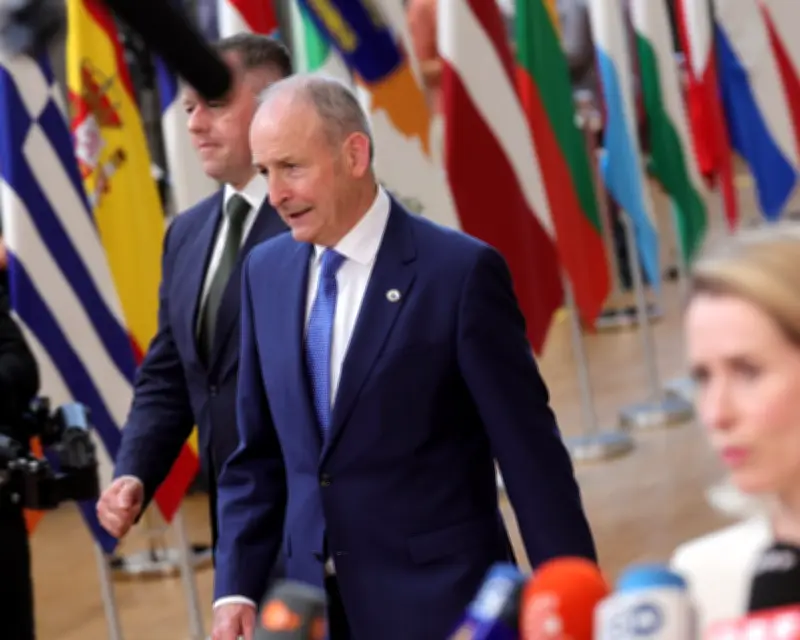
The ceremony featured the raising of the EU flag alongside the Irish tricolour, symbolizing the transfer of leadership from Sweden, which held the presidency for the first half of 2026. Taoiseach Micheál Martin addressed the gathering, emphasizing Ireland's commitment to advancing EU priorities, including economic recovery, climate action, and digital transformation.
"Ireland assumes this role at a critical time for Europe," Martin said. "We will work tirelessly to foster unity, strengthen our economies, and uphold the values that define the European Union."

Key Priorities
Ireland's presidency agenda focuses on five main areas: supporting Ukraine, enhancing European competitiveness, addressing climate change, strengthening the EU's digital economy, and promoting social inclusion. The Irish government has also pledged to prioritize the implementation of the EU's Green Deal and the digital single market.
According to a statement from the Department of the Taoiseach, Ireland will host more than 200 meetings and events over the next six months, including informal councils of EU ministers and a summit of EU leaders in Dublin in December.
Impact on EU Policy
The presidency gives Ireland significant influence over the EU's legislative agenda, as it will chair meetings of the Council of the EU and help broker compromises among member states. Key legislative files expected to advance during Ireland's term include the EU's climate law revisions, the digital services act implementation, and the migration pact negotiations.
Ireland's term comes as the EU faces challenges such as the ongoing war in Ukraine, inflation pressures, and energy security concerns. The Irish government has indicated it will work closely with the European Commission and the European Parliament to ensure progress on these issues.
Historical Context
This is Ireland's fourth time holding the EU presidency, having previously done so in 1975, 1990, and 2013. The presidency rotates among member states every six months, with each country responsible for setting the EU's policy agenda and leading Council meetings.
The ceremony in Dublin included performances by Irish musicians and a showcase of Irish culture. EU Commission President Ursula von der Leyen sent a video message congratulating Ireland, stating, "I am confident that Ireland will bring its unique perspective and diplomatic skills to this important role."