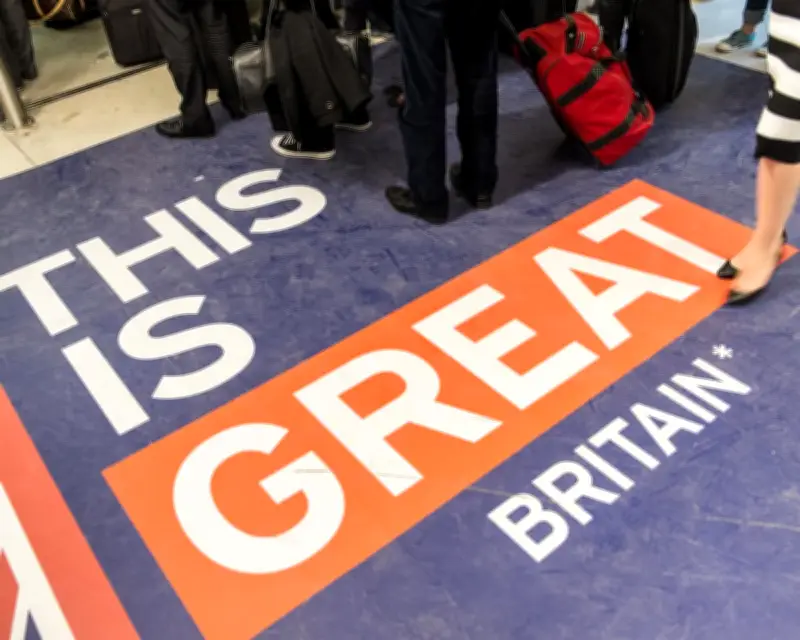
France and the UK have agreed to increase staffing at border controls to prevent a repeat of last summer's travel chaos, which saw hours-long queues at the Port of Dover and the Eurotunnel. The move comes after a meeting between French and British officials on Tuesday, where both sides committed to deploying more officers during peak periods.
Details of the Agreement
Under the plan, French border police will increase their presence at the Port of Dover, the Eurotunnel terminal in Folkestone, and St Pancras International station in London. The UK will also boost its staffing at French ports and the Eurostar terminal in Paris. The additional officers are expected to be in place by the end of July, just ahead of the busiest travel weeks.
Last summer, thousands of passengers faced delays of up to six hours at Dover as French border officials struggled to process the volume of traffic. The situation was exacerbated by post-Brexit passport checks, which require French police to stamp every passport. The new agreement aims to streamline these checks and reduce waiting times.

Impact on Travellers
The travel industry has welcomed the announcement, with the boss of the Port of Dover saying it will “give confidence to holidaymakers”. However, some have cautioned that the extra staff may not be enough if there is a surge in last-minute bookings. The UK's Transport Secretary said the government is “doing everything possible” to ensure smooth travel, but urged passengers to plan ahead.
According to the UK's Department for Transport, the number of passengers travelling between the UK and France is expected to rise by 15% this summer compared to last year. This increase is driven by pent-up demand after the pandemic and the easing of travel restrictions.
Political Reactions
The French interior minister stated that the additional resources would ensure “fluid and secure” border crossings. The UK's Home Office echoed this sentiment, saying the measures would “minimise disruption”. Opposition MPs in the UK have criticised the government for not acting sooner, arguing that the problem was predictable. A spokesperson for the Labour Party said: “This is a sticking plaster solution. The government should have negotiated a better deal with the EU to avoid these checks altogether.”
The agreement is seen as a temporary fix, with longer-term solutions still under discussion. Both countries have acknowledged that the current system is unsustainable during peak periods and are exploring digital border technologies to speed up processing.