Western Europe has just endured its hottest June on record, scientists have confirmed, as the United Kingdom enters its third heatwave of the year and wildfires continue to ravage parts of France and Spain. The unprecedented temperatures have disrupted daily life, strained healthcare systems, and exacerbated drought conditions across the region.
Record-Breaking Temperatures Across the Continent
According to data from the Copernicus Climate Change Service, the average temperature for June 2026 across western Europe was 2.3°C above the 1991-2020 average, surpassing the previous record set in 2023. Countries including France, Spain, Germany, and the UK all reported monthly records. In France, temperatures soared above 40°C in several cities, including Bordeaux and Toulouse, while Spain saw highs of 44°C in parts of Andalusia.
Impact on Daily Life and Infrastructure
The heatwave has forced residents and tourists to adapt. In Munich, people took trams in swimsuits after swimming in the Eisbach creek at the English Garden. In Nice, individuals sheltered under awnings of coffee shops to escape the scorching sun. In Pamplona, Spain, participants in the San Fermin festival cooled off in the Arga River, while in Barcelona, a man rested under a palm tree on a beach during the final day of the heatwave.

Hospitals have been strained. At the Victor Jousselin hospital in Dreux, northern France, electric fans were placed in corridors outside patients' rooms to provide some relief. The Tour de France also felt the heat, with firefighters spraying water on spectators at the finish line of the sixth stage in Gavarnie-Gèdre in the Pyrenees.
Drought and Wildfires Worsen
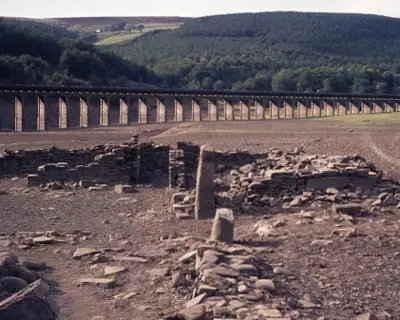
The prolonged heat has worsened drought conditions. The Doubs River in eastern France has dried up, revealing its bed, and sandbanks have appeared under bridges crossing branches of the Loire River in western France. Wildfires have broken out in several regions, with France and Spain deploying thousands of firefighters to contain blazes. In the Gironde region of France, over 2,000 hectares of forest have been burned.
Public Health and Safety Measures
Authorities have issued health warnings, urging people to stay hydrated and avoid outdoor activities during peak heat. In Valencia, tourists queued at water fountains to fill bottles at the City of Arts and Sciences cultural complex. In Rome, a tourist filled a bottle at the Barcaccia fountain in front of the Spanish Steps. In London, people shielded from the sun under umbrellas outside Buckingham Palace.
According to Dr. Sarah Perkins-Kirkpatrick, a climate scientist at the University of New South Wales, "This is a stark reminder that climate change is making heatwaves more frequent and intense. We must adapt our infrastructure and behaviors to cope with these new extremes."
Long-Term Outlook
Scientists warn that such heatwaves will become more common unless drastic action is taken to reduce greenhouse gas emissions. The European Union has pledged to cut emissions by 55% by 2030, but critics argue that current policies are insufficient. As western Europe swelters, the need for climate resilience has never been more urgent.