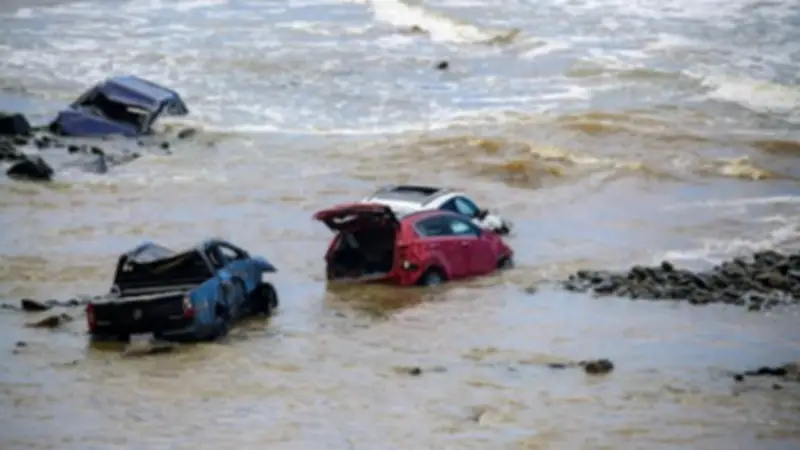
A new study reveals that weather whiplash—the rapid succession of extreme heat followed by heavy rainfall—is becoming more common and affecting larger areas of Australia. Researchers from the Australian National University and other institutions analyzed climate data from 1910 to identify hundreds of whiplash events, focusing on the warm season from October to April.
Hotspots and Trends
South-eastern Australia emerged as a whiplash hotspot, where cold fronts often replace heatwaves with heavy rain. Southern Queensland recorded the highest number of events, while the tropical north experiences thunderstorms that flush out heat. The study found that whiplash events are more frequent and widespread than a century ago, with northern cities like Cairns and Darwin seeing the biggest increases due to more intense heatwaves and a wetter climate.
"Many people feel as though the weather is becoming more rapidly changeable, and the data supports this," said lead researcher Dr. Michael Currie. "Weather whiplash events are more frequent and affect larger areas of the country than they did a century ago."

Physical Connection
The study suggests a physical link between heatwaves and subsequent heavy rain. In parts of south-eastern Australia, more than 20% of heatwaves result in a whiplash event. The termination of heatwaves creates an unstable atmosphere, and hot conditions allow the atmosphere to hold more moisture, leading to intense rainfall. Over southern Australia, high-pressure systems that enable heatwaves are replaced by low-pressure systems, which can sweep in like a bulldozer, forcing air upward and releasing heavy rain.
Heat and fire can also pre-condition the land, making it dry and barren, increasing the risk of flooding when rain hits. The expanding area affected by whiplash weather means more locations face simultaneous hazards, potentially straining local government and state resources.
Implications
Australia has just experienced its second 'whiplash summer' in a row. The researchers emphasize that it is not enough to understand individual extremes; we must understand how they interact. "We need to be better prepared for this whiplash as we head further into an ever-warming world," Currie added.