Australia's Climate Change Authority has issued a stark warning: weakening net-zero policies would inflict significant damage on the economy, contrary to claims that such policies are a burden. In a report released on Thursday, the authority argued that delaying or dismantling emissions reduction targets would increase the risks posed by climate change, leading to higher costs for businesses, households, and the government.
Economic Risks of Policy Reversal
The authority's analysis found that rolling back net-zero commitments could reduce Australia's gross domestic product by up to 6% by 2050, compared to a pathway that meets the 2050 target. This would translate to tens of billions of dollars in lost economic output annually. The report also warned that inaction would exacerbate physical risks such as extreme weather events, which have already cost the economy an estimated $35 billion over the past decade.
“The idea that climate policy is an economic drag is a dangerous myth,” said Climate Change Authority Chair Dr. Sarah Johnson. “Our modelling shows that the transition to net zero presents significant economic opportunities, while delay only locks in higher costs and greater risks.”

Opportunities in Clean Energy
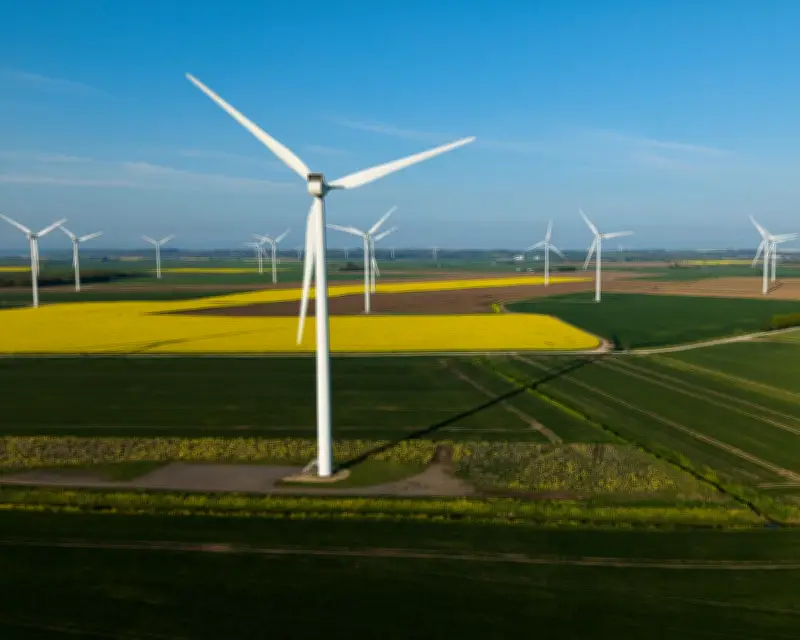
The report highlighted that Australia is well-positioned to benefit from the global shift to clean energy, given its abundant solar and wind resources. It estimated that achieving net zero by 2050 could create up to 200,000 new jobs in renewable energy, manufacturing, and related sectors. Conversely, a failure to act would see Australia miss out on these opportunities and become increasingly isolated in global markets that are demanding low-carbon products.
The authority also noted that the cost of inaction is already being felt. Insurance premiums have risen sharply in climate-exposed regions, and agricultural productivity is being affected by changing weather patterns. The report projected that without stronger policies, these costs would escalate, potentially adding 0.5% to annual inflation by 2030.
Political Context and Reactions
The warning comes amid growing political debate over Australia's climate targets. Some opposition politicians have called for a slower transition, arguing that current policies are too costly for households and businesses. However, the Climate Change Authority's report directly challenges this narrative, stating that “the economic case for action is overwhelming.”
Business groups have also weighed in. The Australian Industry Group said the report reinforced the need for a stable policy framework. “Certainty is critical for investment,” said CEO Innes Willox. “We cannot afford to keep flipping back and forth on climate policy.”
The government has committed to net zero by 2050 but has faced criticism for its reliance on technology breakthroughs and carbon offsets rather than more aggressive emissions cuts. The authority's report suggests that current policies are insufficient to meet the target, recommending stronger measures including a more ambitious 2030 emissions reduction goal.
International Comparisons
The report also compared Australia's climate policies with those of other nations, finding that Australia lags behind many developed economies in both ambition and implementation. Countries such as the United Kingdom and Germany have already seen significant economic benefits from their clean energy transitions, including lower electricity prices and increased investment.
“Australia risks being left behind if we do not act decisively,” Dr. Johnson said. “The world is moving, and our competitors are reaping the rewards. We need to seize the moment.”