New policy redefines frozen embryos as children
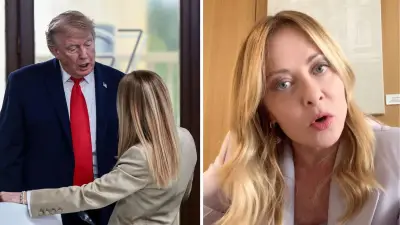
The Trump administration has issued a policy change that classifies frozen embryos as children, marking a significant shift in federal recognition of embryonic status. The directive, announced by the Department of Health and Human Services (HHS), applies to all federally funded programs and research, effectively granting legal personhood to embryos created through in vitro fertilization (IVF).
According to a senior HHS official, the policy aims to "protect the sanctity of human life from conception." The move aligns with anti-abortion advocacy and has immediate implications for fertility clinics, researchers, and families with stored embryos. The administration estimates that over one million frozen embryos exist in the United States.
Impact on IVF and fertility treatments
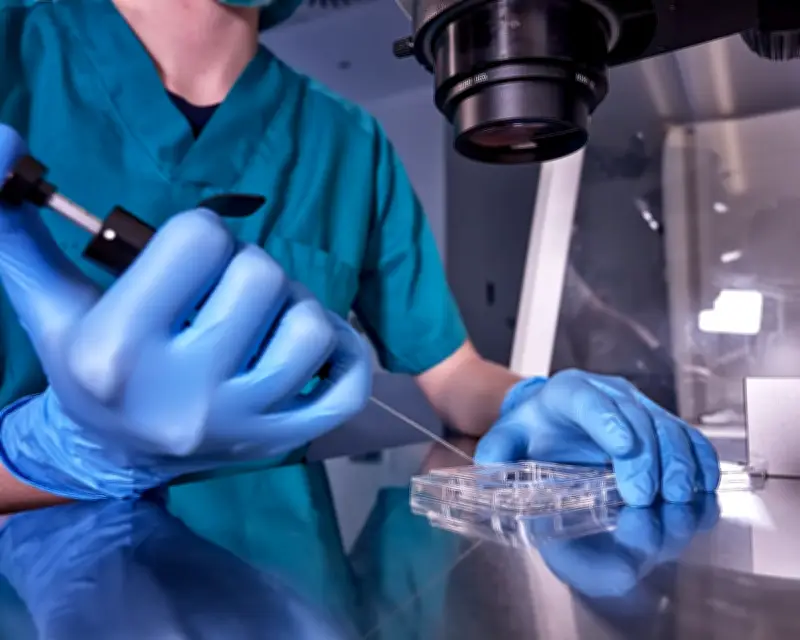
The reclassification could disrupt IVF procedures, as clinics may now face legal restrictions on discarding or donating unused embryos. Dr. Sarah Thompson, a reproductive endocrinologist, said, "This policy could force patients to pay for indefinite storage or limit their options for family planning." The American Society for Reproductive Medicine criticized the decision, warning it may reduce access to fertility care.

Under the new rule, embryos cannot be destroyed or used in research without potentially violating child protection laws. This could increase costs for couples undergoing IVF, as clinics may need to store embryos longer or revise consent forms. The policy also affects federal funding for embryonic stem cell research.
Legal and ethical debates intensify
Legal experts predict challenges in court, arguing that the policy oversteps federal authority and conflicts with state laws. "This is an attempt to establish fetal personhood through executive action," said constitutional law professor Mark Davis. "It will likely face lawsuits from reproductive rights groups."
Pro-life organizations applauded the move. "Every human life, from the moment of conception, deserves protection," said a spokesperson for the National Right to Life Committee. Meanwhile, critics contend that the policy could criminalize IVF procedures and undermine women's reproductive autonomy.
Broader implications for reproductive health
The policy may also affect insurance coverage, as embryos classified as children could qualify for health benefits. However, experts caution that this could lead to higher premiums. Additionally, the change could influence custody disputes in divorce cases involving frozen embryos.
The administration plans to implement the policy through regulatory changes, bypassing Congress. This approach has drawn accusations of executive overreach. The HHS official stated that the policy will take effect in 90 days, pending public comment.
The announcement has reignited the national debate over when life begins, with potential ramifications for abortion laws and reproductive technology. As the policy unfolds, fertility clinics and patients are bracing for significant changes in the landscape of assisted reproduction.