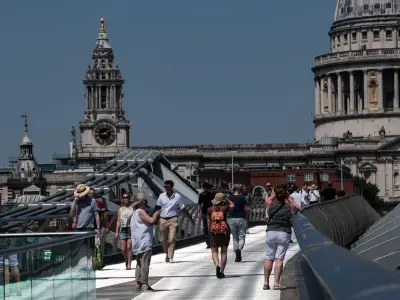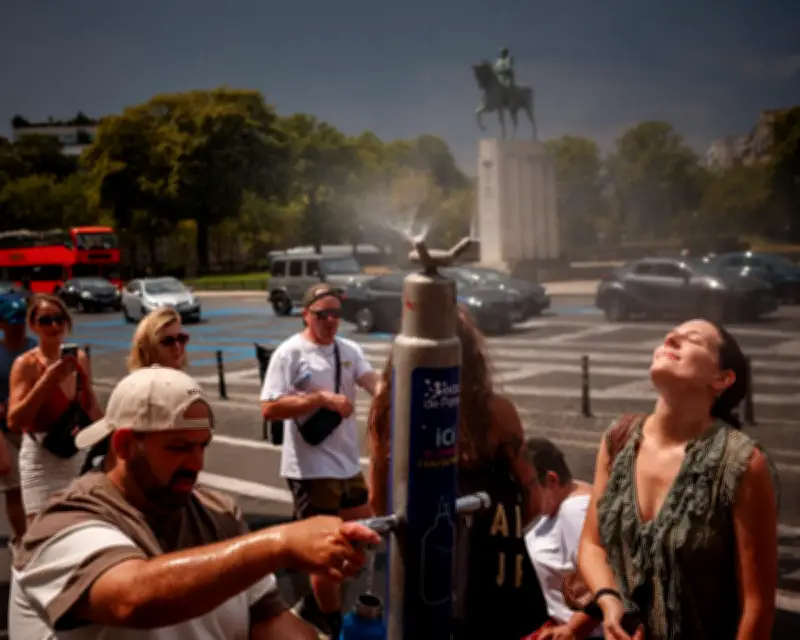
Spain and France have issued severe heatwave warnings, with temperatures expected to surpass 45°C in parts of both countries this week. The extreme weather event, which began on Monday, is forecast to intensify through Wednesday, prompting authorities to activate emergency measures.
Record-breaking temperatures expected
Spain's meteorological agency, AEMET, has placed much of the southern and central regions under red alert, the highest warning level. In the city of Seville, thermometers could reach 46°C, approaching the all-time European record of 48.8°C set in Sicily in 2021. France's weather service, Météo-France, has similarly issued orange alerts for 12 departments, including the Rhône Valley and Provence, where temperatures may hit 42°C.
Health and infrastructure risks
Health officials in both nations have urged vulnerable populations, such as the elderly and those with chronic conditions, to stay hydrated and avoid outdoor activities during peak heat hours. In Spain, the government has opened cooling centers and extended public pool hours. French authorities have activated the national heatwave plan, which includes monitoring nursing homes and ensuring emergency services are prepared. The extreme heat also threatens rail infrastructure; SNCF, France's state railway company, warned of potential delays due to track buckling.

According to Dr. Maria Lopez of the Spanish Ministry of Health, 'This heatwave is exceptional in its intensity and duration. We are advising people to check on neighbors and relatives, especially those living alone.'
Climate change link
Scientists attribute the increasing frequency and severity of heatwaves in Europe to climate change. A study by the World Weather Attribution group found that human-induced global warming made the 2022 European heatwave at least 10 times more likely. This current event, occurring in early July, aligns with predictions that such extreme temperatures will become more common.
In response, both Spain and France have accelerated their climate adaptation plans, including urban greening projects and early warning systems. However, critics argue that more aggressive emissions reductions are needed to curb long-term warming trends.