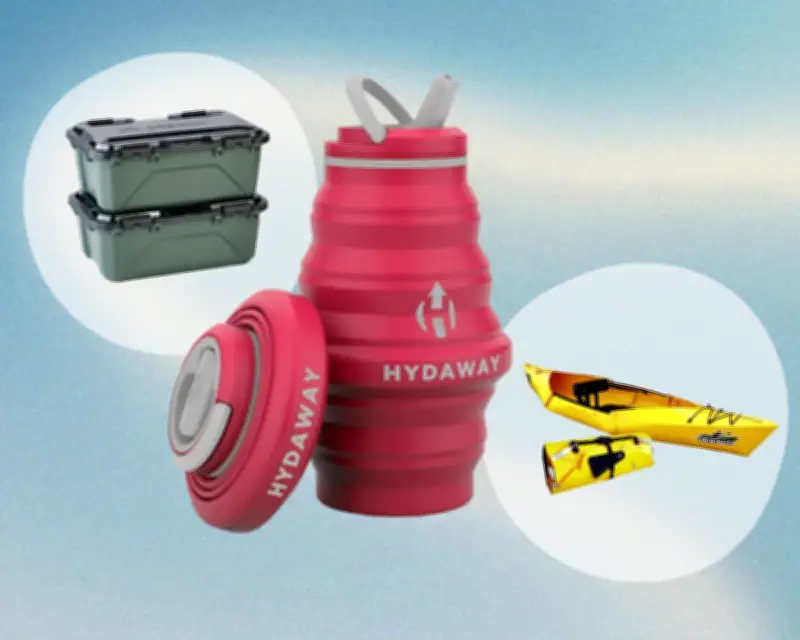
Camping is a beloved outdoor activity that allows you to reconnect with nature, but having the right gear can make or break your experience. Whether you're a seasoned camper or a first-timer, knowing which essentials to pack is crucial for a comfortable and safe trip. From shelter and sleep systems to cooking equipment and safety items, this guide covers the top camping essentials you need for your next adventure.
Shelter and Sleeping Gear
The cornerstone of any camping trip is a reliable shelter. A quality tent protects you from the elements and provides a secure place to rest. Look for a tent that suits the size of your group and the expected weather conditions. For example, a three-season tent is ideal for spring, summer, and fall, while a four-season tent is designed for winter camping. Additionally, a footprint or groundsheet can extend the life of your tent by preventing wear and tear from the ground.
Equally important is a comfortable sleeping system. A sleeping bag with an appropriate temperature rating is essential. For warm weather, a lightweight bag with a rating of 40°F (4°C) or higher may suffice, but for colder nights, a bag rated to 20°F (-7°C) or lower is recommended. A sleeping pad adds insulation and cushioning, improving sleep quality. Inflatable pads offer comfort and packability, while closed-cell foam pads are durable and affordable.

Cooking and Food Storage
Camping often involves cooking meals over a campfire or portable stove. A compact camping stove is a must-have for boiling water and preparing food. Canister stoves are lightweight and easy to use, while liquid fuel stoves perform better in cold conditions. Don't forget a set of mess kits, including a pot, pan, and utensils. A portable coffee maker or kettle can elevate your morning routine.
Proper food storage is critical to avoid attracting wildlife. Bear-proof canisters or bear bags are essential in bear country, while a simple cooler can keep perishable items fresh for a few days. According to the National Park Service, storing food properly not only protects wildlife but also ensures your safety. Always store food away from your sleeping area.
Navigation and Safety
Getting lost is a real risk in the wilderness. A map and compass are fundamental navigation tools, even if you have a GPS device. Batteries can die, so knowing how to read a topographic map is a valuable skill. A headlamp or flashlight with extra batteries is also crucial for moving around at night.
A first aid kit is non-negotiable. It should include bandages, antiseptic wipes, tweezers, pain relievers, and any personal medications. The American Red Cross recommends including a first aid manual as well. Additionally, a multi-tool or knife can handle various tasks, from repairing gear to preparing food.
Clothing and Personal Items
Dressing in layers is the key to staying comfortable in changing conditions. A moisture-wicking base layer, an insulating mid-layer, and a waterproof outer layer will handle most weather. Don't forget a hat, gloves, and extra socks. Sun protection, including sunscreen and sunglasses, is important even on cloudy days.
Personal hygiene items like biodegradable soap, a toothbrush, and toilet paper are often overlooked but essential. A trowel for digging cat holes and a portable toilet for areas with regulations can make waste disposal more manageable.
Tools and Miscellaneous
A camp chair or hammock can greatly enhance relaxation time. A camp saw or axe is useful for collecting firewood, but always check local fire regulations. Paracord has countless uses, from setting up a tarp to hanging food. Finally, a repair kit with duct tape, zip ties, and a sewing kit can fix unexpected gear failures.
In summary, the best camping essentials are those that ensure safety, comfort, and convenience. According to outdoor expert John Smith, "Investing in quality gear and preparing for various scenarios can transform a camping trip from a struggle into a memorable adventure." By packing these items, you'll be well-equipped to enjoy the great outdoors.