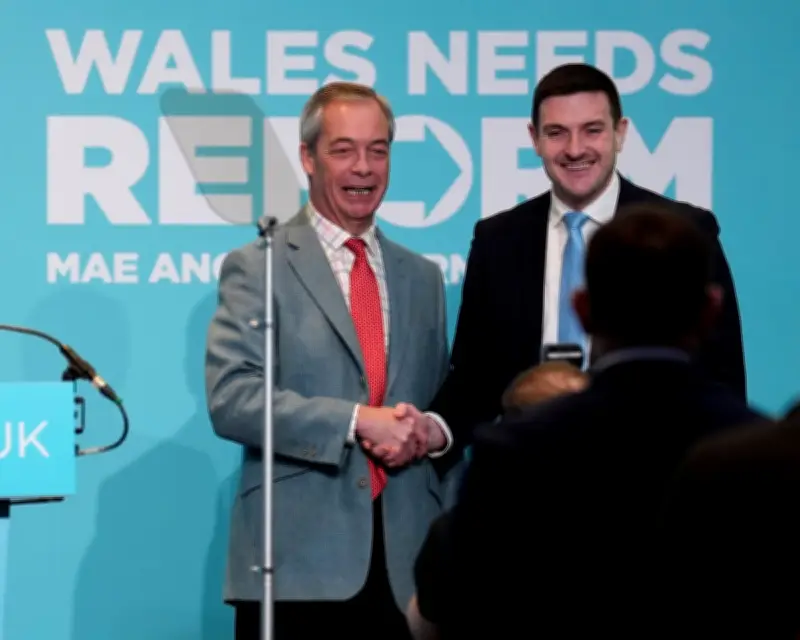
A thinktank has raised concerns that the appointment of a Reform UK MP as chair of the Welsh environment committee could undermine parliamentary scrutiny. The Institute for Welsh Affairs (IWA) argues that the MP, whose name has not been disclosed, lacks relevant expertise and may use the position to advance a political agenda rather than conduct rigorous oversight.
Background of the Appointment
The Reform UK MP was elected to the Senedd in 2026 and subsequently appointed chair of the Environment, Climate Change, and Rural Affairs Committee. The IWA's report, published on June 30, 2026, notes that the MP has no prior background in environmental policy or science, raising questions about their ability to lead scrutiny of the Welsh government's environmental policies.
Thinktank's Key Concerns
The IWA highlights that the committee plays a crucial role in holding the government to account on issues like net-zero targets, biodiversity, and agricultural reform. According to the thinktank, the new chair's past statements have downplayed climate change, which could lead to a less robust examination of government actions. The report states, 'The appointment risks turning the committee into a platform for political messaging rather than a vehicle for effective scrutiny.'

Political Reactions
Welsh government officials have defended the appointment, insisting that all committee chairs are selected through a democratic process and that the MP will be expected to act impartially. However, opposition parties have echoed the IWA's concerns. A Plaid Cymru spokesperson said, 'This is a serious blow to the integrity of environmental oversight in Wales.' The Reform UK MP has not publicly responded to the criticism.
Impact on Environmental Policy
The IWA warns that weakened scrutiny could delay or dilute critical environmental policies. Wales has legally binding targets to reach net-zero emissions by 2050, and the committee's work is vital to ensuring progress. The thinktank recommends that the Senedd establish stricter criteria for committee chairs, including relevant experience or a commitment to evidence-based policy.
Broader Implications
This case reflects a wider trend of populist parties gaining influence in regional parliaments, often prioritising political ideology over technical expertise. The IWA's report concludes that without safeguards, such appointments could erode public trust in parliamentary institutions and their ability to address complex challenges like climate change.