Last winter, commercial beekeepers lost more than 60% of their colonies – the worst losses on record. We tend to blame bee losses on separate, singular threats: pests, pesticides, habitat loss or extreme weather. But we’ve been thinking about bee losses wrong.
The Real Culprit: Industrial Food System
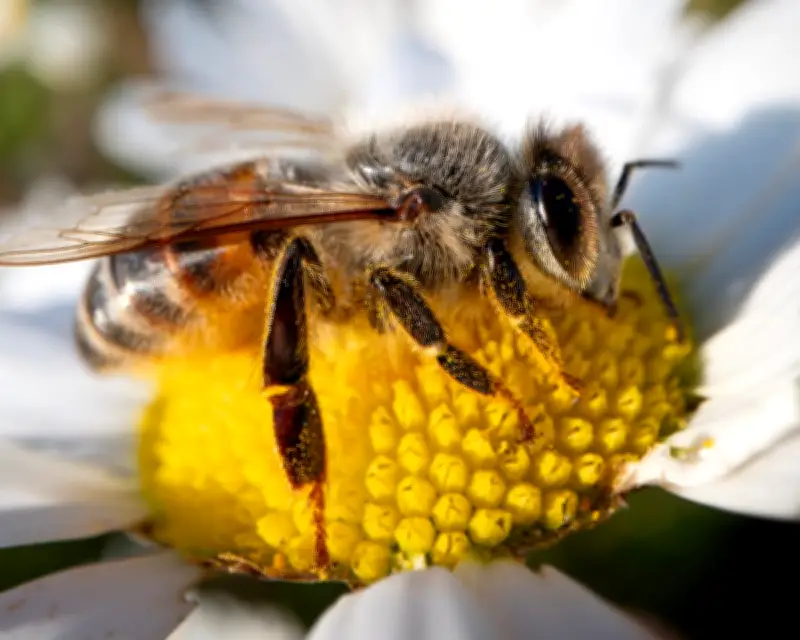
The real culprit is our industrial food system. Managed honeybees are in effect gig workers, the tiniest hired laborers in agriculture. They contribute more than $15bn to the US food system, and – along with native bees and other pollinators – help pollinate more than 130 fruits, nuts, and vegetables in the United States. To accomplish this feat each year, bees are trucked cross-country from one crop to the next, constantly fed supplements, bred for productivity, exposed to pesticides, and pushed to pollinate on a schedule. This kind of management is grueling for beekeepers – and as we mark National Pollinator Week, it’s pushing bees to the brink.
Almond Pollination: A Prime Example
California’s annual almond bloom offers a prime example. Each February, beekeepers truck more than 2 million bee colonies to the state, more than 95% of the country’s commercial colonies, to pollinate 1.4m acres of blooming almonds. It’s the largest, most concentrated pollination event in the world – what’s been referred to as the Super Bowl of beekeeping.

But almond pollination poses great risks for beekeepers and their bees. As bees fly through orchards, they drift into other colonies and spread parasitic varroa mites – the industry’s primary pest – and the deadly diseases they carry. Bees are also exposed to agrochemicals while pollinating almonds and other crops. Almond growers sometimes spray fungicides during bloom to protect their crops. But because of our current pesticide label regulations, sublethal agrochemicals such as fungicides or inert pesticide ingredients may not be labeled bee toxic – even though they can stunt bee growth, reproduction and foraging navigation.
Timing and Economic Pressures
The timing of almond pollination adds additional pressure. Colonies aren’t usually at peak strength in February, but growers want active, productive hives. To meet demand, beekeepers feed supplements year-round – which are expensive and can be less nutritious than natural nectar and pollen – and breed the most productive bee queens, which can be more susceptible to varroa mites. Amid these challenges, commercial beekeepers rely intensely on income from almond pollination and other crops in part because cheap, foreign – and often adulterated – honey has flooded the market and driven prices below the cost of production.
Loss of Floral Oases
Beekeepers are also losing the floral oases where they historically produced honey. For example, each summer, beekeepers truck more than 40% of the country’s colonies to the Northern Great Plains to forage on native and conservation grasslands and produce honey. Yet since the early 2000s, farmers have plowed millions of acres of grasslands to grow biofuel crops such as corn and soy. In addition to reducing forage for bees, the crops come with a toxic suite of agrochemicals that can drift or leach off-farm and weaken bee colonies.
Government Cuts to Bee Research
The Trump administration is adding fuel to the fire by gutting bee research when beekeepers need it most. In April, the US Department of Agriculture (USDA) announced it would decommission the Beltsville Bee Research Lab in Maryland, one of only five USDA bee labs in the country. For more than 90 years, Beltsville researchers have supported beekeepers through crises with free disease detection, research on overwintering losses, and by developing pest control protocols. Now, beekeepers will lose that vital ally.
The shuttering of the Bee Lab comes on top of the planned closure of 57 of 77 US Forest Service research sites, which oversee 193m acres of public lands that provide crucial bee habitat. The administration also aims to decommission 16 research centers in the US Geological Service (USGS). This includes one in North Dakota, the Northern Prairie Research Center, which has studied how land use changes in the midwest affect bee health, and a USGS Bee Lab, also in Maryland, that supports native bee research throughout the country.

Ripple Effects on Consumers
Beekeepers have historically borne the brunt of these stresses. But as losses mount, they are likely to charge farmers more for their pollination services or simply have fewer bees to offer. These costs could ripple downstream and affect what we all pay for pollinator-dependent food. We’ll probably see smaller harvests, more expensive fruits and vegetables, and less diversity in the produce aisle.
We’ve arrived at a crucial moment. Bee declines may seem like an environmental tragedy at the margins, but their losses destabilize our food system. The problem isn’t a series of isolated issues; it’s a nexus of stressors built by the very agriculture system that depends on them. To support bees, we need to – at the very least – restore and increase funding for pollinator research, maintain and plant more conservation lands across the US, and require pesticide labels to better capture sublethal toxicities.
Bees and beekeepers have been doing their part. It’s time our food system did too.