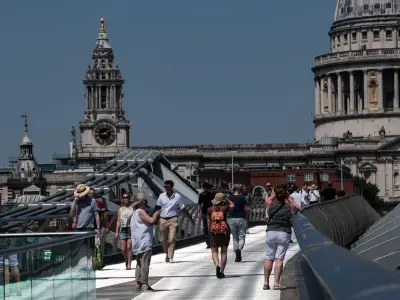
A dangerous heatwave is gripping the eastern United States, affecting approximately 45 million people from the Midwest to the Northeast. The National Weather Service has issued excessive heat warnings and advisories for a broad swath of the country, with temperatures expected to soar past 100°F (37.8°C) in many areas.
Record Temperatures and Duration
The heatwave, which began in the central US earlier this week, has moved eastward. Cities like Chicago, St. Louis, and Washington D.C. are bracing for temperatures that could break daily records. In Chicago, the mercury is forecast to hit 102°F on Thursday, potentially surpassing the 1953 record of 100°F. The heat is expected to persist through the weekend, with little relief overnight as temperatures remain in the 80s.
According to the National Weather Service, this is the most widespread heat event of the year so far. The combination of high temperatures and humidity will create heat index values of 110-115°F in some locations, making it feel even hotter.

Health Risks and Public Response
Health officials are urging residents to take precautions. Dr. Rachel Levine, Assistant Secretary for Health, stated, “Heat is the leading weather-related killer in the United States. We urge everyone to stay hydrated, limit outdoor activities, and check on vulnerable neighbors.” Cooling centers have been opened in major cities, including New York, Philadelphia, and Boston.
Emergency services are on high alert. In Philadelphia, the city has activated its heat emergency plan, extending hours at public pools and libraries. The American Red Cross has deployed additional resources to assist those without air conditioning.
Strain on Power Grids
The surge in air conditioning use is putting significant pressure on power grids. The North American Electric Reliability Corporation (NERC) has warned of potential rolling blackouts. In New York City, Con Edison has asked customers to conserve energy, especially during peak hours from 2 PM to 8 PM. The company reported that demand could reach 13,000 megawatts, close to the record set in 2013.
In Washington D.C., Pepco has issued a similar plea. The grid operator PJM Interconnection, which covers 13 states, has declared a Level 1 emergency, allowing it to draw on reserve power supplies.
Impact on Transportation and Infrastructure
The heat is also affecting transportation. Amtrak has imposed speed restrictions on its Northeast Corridor lines due to the risk of rail buckling. Several airlines have warned of delays as planes struggle with reduced lift in hot air. The Port Authority of New York and New Jersey has advised travelers to check flight statuses.
Roads are also at risk of buckling. In Maryland, the State Highway Administration has posted warnings about potential pavement blowups. Crews are on standby to make repairs.
Comparisons to Past Heatwaves
This heatwave is reminiscent of the 1995 Chicago heatwave that killed over 700 people. However, improved warning systems and public health responses are expected to mitigate the death toll. Climate scientists attribute the increasing frequency and intensity of heatwaves to climate change. Dr. Michael Mann, a climatologist at Penn State University, said, “Heatwaves are becoming more common and more severe as a result of global warming. This is exactly what we expect from climate change.”
Looking Ahead
The heatwave is forecast to peak on Friday before slowly moderating over the weekend. However, temperatures will remain above average into next week. The National Weather Service advises continued vigilance. As the climate continues to warm, such events are likely to become more frequent, underscoring the need for adaptation measures.