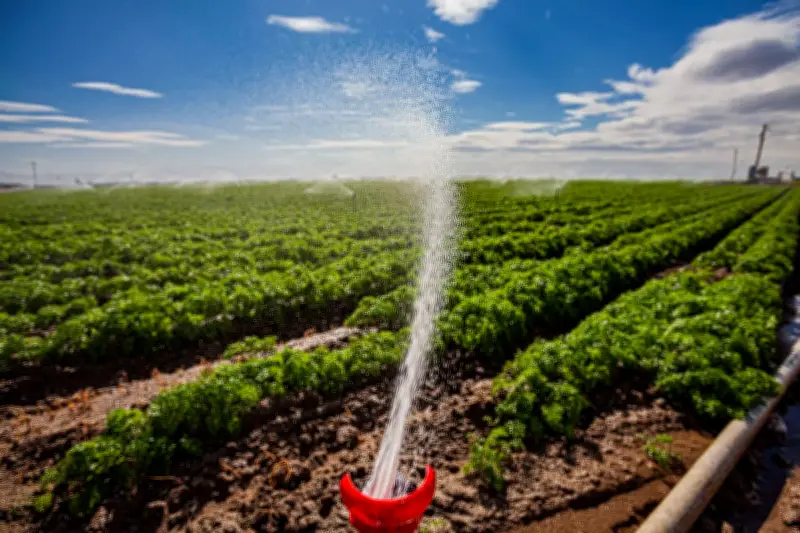
A new analysis of state and federal records reveals that approximately half of California's waterways tested by regulators are contaminated with pesticides classified as PFAS, or 'forever chemicals.' This finding highlights a growing concern about the widespread use of these substances, which are only beginning to be understood.
Health Risks and Environmental Impact
The pesticides are associated with a range of health problems, including cancer, birth defects, decreased immunity, high cholesterol, kidney disease, and other serious conditions. The review is the first to systematically check for these dangerous substances in streams and rivers, many of which serve as sources of drinking water.
More than half of sediment samples also showed some levels of the pesticides, which are increasingly applied to food crops in California and across the nation. The analysis, conducted by the Environmental Working Group (EWG), was released just days before a proposal to ban PFAS pesticides failed to pass the state assembly. However, parts of the legislation, including a moratorium on approval of new PFAS pesticides, were passed.

Alarming but Not Surprising
Varun Subramaniam, co-author of the report from the EWG, described the findings as 'alarming but not surprising.' He noted that PFAS pesticides are applied at high rates on produce, making it logical that they end up in streams and sediment. PFAS are a class of at least 16,000 compounds used to make products water-, stain-, and grease-resistant. They are called 'forever chemicals' because they persist in the environment for thousands of years and are designed to be indestructible.
The chemicals are added as active ingredients to pesticides to kill weeds or insects, or used as inert ingredients. A 2023 analysis of EPA data found that at least 60% of active ingredients in pesticides fit the most widely accepted definition of PFAS. From 2018 to 2023, California farms applied an average of 2.5 million pounds of PFAS per year on cropland, according to a review of state records last year. Recent regulatory testing found pesticide residues on 37% of all produce, with about 90% of peaches, plums, and nectarines containing PFAS, and 80% of strawberries and grapes showing them.
Water Pollution Confirmed
Public health advocates had long suspected that these pesticides contaminate nearby water sources, and the new analysis confirms their theory. Regulators tested streams from only 10 counties, finding the highest concentrations in agricultural areas such as Monterey and San Luis Obispo counties. Previous research indicated the highest applications of PFAS pesticides in Fresno and Kern counties, but water pollution data was not collected there. Subramaniam stressed that the results are 'almost certainly an undercount' due to the limited scope of testing.
At least 10 PFAS pesticides were identified across the state. The pesticide bifenthrin, among the most toxic and linked to cancer, was found in all San Luis Obispo waterways and in more than 80% of samples in Stanislaus County, which includes Modesto and parts of the Central Valley.
Regulatory Gaps
The health threat is difficult to determine because pesticide laws do not require companies to assess many common PFAS health risks, such as immunotoxicity, reproductive harm, or hormone disruption. Subramaniam noted that regulators lack proper resources and do not consider the cumulative effect of drinking water contaminated with PFAS and then eating produce containing residues. 'The fact that the chemicals are permitted is largely because we're not considering all the ways that they can harm us,' he added.
Amid pressure from the powerful agricultural lobby, the proposal to fully ban PFAS pesticides by 2035 failed, but the moratorium on new pesticides survived. The California Farm Bureau opposed the bill, calling it an 'overly broad and unworkable approach that departs from science-based regulation' and arguing it would put farmers at an economic disadvantage with little public health benefit.

The legislation still includes a new requirement for pesticides to carry warnings alerting farmers that they are using PFAS with health and environmental risks. Susan Little, California legislative director for EWG, said most farmers are unaware they are spreading PFAS on food crops. The legislation also gives local leaders more power to limit the pesticides' use and defines the pesticides as PFAS, aligning with most scientific definitions. California's pesticide office currently uses a narrow definition of PFAS favored by industry because it excludes smaller compounds like those used in pesticides.
Need for Action
Advocates say the legislation is especially needed as the Trump administration rushes to approve more PFAS pesticides. California's pesticide office recently reapproved the PFAS insecticide sulfoxaflor, despite its approval being repeatedly struck down by courts over high toxicity to honeybees and other pollinators. Little expressed disappointment that the ban did not make it into the final bill but added that the bill, if approved by the state senate, 'will continue to address and reduce the use of PFAS pesticides in California.'