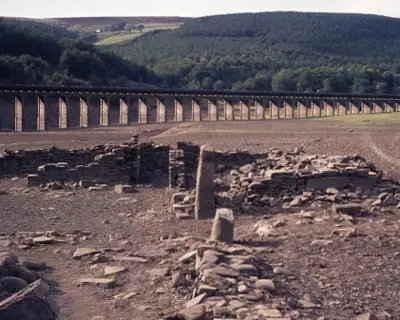
The National Oceanic and Atmospheric Administration (NOAA) has issued a warning that the current El Niño event is likely to bring extreme weather conditions across the globe through the winter months, with a potential shift to La Niña in early 2027. This climate pattern, which began in June 2026, is expected to intensify, increasing the risk of severe floods and droughts in various regions.
El Niño's Impact on Global Weather
El Niño, characterized by warmer-than-average sea surface temperatures in the central and eastern Pacific Ocean, typically disrupts normal weather patterns. According to NOAA's Climate Prediction Center, there is a 70% chance that El Niño will persist through the Northern Hemisphere winter, with a 55% probability that it will transition to La Niña conditions by early next year. The agency states that this El Niño has already triggered unusual weather, including heavy rainfall in parts of South America and drought in Australia and Indonesia.
“The current El Niño is expected to strengthen, leading to significant impacts on temperature and precipitation patterns worldwide,” said Dr. Michelle L'Heureux, a climate scientist at NOAA. “Communities should prepare for potential extremes, including flooding in some areas and drought in others.”

Potential Transition to La Niña
The possible shift to La Niña, which involves cooler Pacific waters, could bring its own set of challenges. La Niña often leads to increased hurricane activity in the Atlantic and wetter conditions in parts of Asia. However, the transition is not guaranteed; NOAA estimates a 45% chance that El Niño will continue into spring 2027.
Historical data shows that strong El Niño events, such as those in 1997-98 and 2015-16, caused billions of dollars in damage. The 2015-16 event contributed to coral bleaching, wildfires, and agricultural losses. NOAA emphasizes that even a moderate El Niño can have serious consequences.
Preparedness and Global Response
Governments and disaster management agencies are urged to monitor forecasts closely. The World Meteorological Organization (WMO) has already warned that this El Niño could exacerbate food insecurity in vulnerable regions. “We are seeing the fingerprints of climate change in these events,” said WMO Secretary-General Petteri Taalas. “Rising global temperatures are making El Niño and La Niña impacts more severe.”
As the situation evolves, NOAA will continue to provide updates. The agency advises that while the exact outcomes are uncertain, the risk of extreme weather is elevated, and preparation is key.