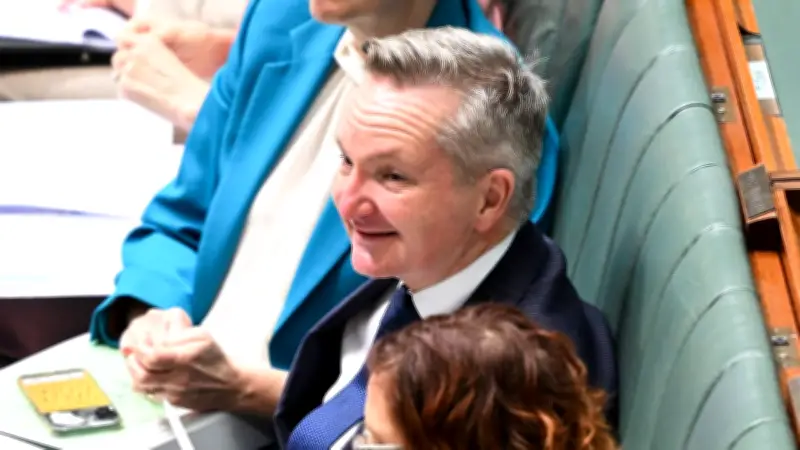
Australia's Climate Change and Energy Minister Chris Bowen will fly to Germany this week to participate in climate diplomacy talks that will lay the groundwork for November's COP31 summit. The discussions in Bonn are expected to set the scene for the global climate conference later in the year.
Bowen's Role and Agenda
Bowen, who has been appointed 'president of negotiations' for COP31, will lead energy security negotiations during the Bonn climate change conference. He emphasised the importance of clean energy, stating: 'We are living through the biggest energy shock in history and the world agrees that clean energy and electrification is the future for a more sovereign and secure energy system.'
Bowen highlighted Australia's achievements, noting that one in three households have rooftop solar and over 420,000 home batteries have been installed. He expressed a desire to bring Australia's experience to the global stage and work with Pacific partners to advance climate action.

COP31 Preparations
Australia and Turkey have divided COP responsibilities, with Pacific nations Fiji and Tuvalu hosting pre-COP meetings before the main summit in Antalya, Turkey. Bowen is expected to hold talks with Canada, the United Kingdom, and Korea in Bonn, focusing on electrification, clean energy investment, fuel security, and energy storage.
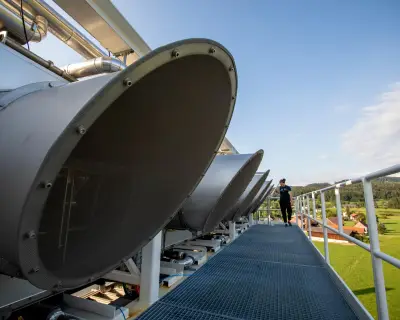
Bowen will also visit Europe's largest commercial sustainable aviation fuel production site in Germany. The Australian government has invested $1.1 billion in low-carbon liquid fuels, which Treasurer Jim Chalmers described as 'an enormous economic opportunity for Australia.'
Political Context and Criticism
Bowen has faced criticism from the Coalition, with shadow energy minister Dan Tehan labelling him a 'part-time' minister. Tehan also criticised a half-million-dollar spend on pre-COP arrangements. Bowen responded by calling Tehan the 'biggest hypocrite' in federal parliament.
COP summits have also faced scrutiny. EU climate commissioner Wopke Hoekstra admitted that recent COPs have been 'underwhelming' compared to what is needed, calling for faster action in smaller groups of willing countries.
Australia's Emissions Progress
Data released in May showed Australia's CO2 emissions dropped by more than 9.7 million tonnes in 2025, a 2.1 per cent decrease from the previous year. Bowen attributed this to over 4 million household solar systems and more than 400,000 home batteries supported by the Cheaper Home Batteries Program, resulting in consistent cuts in electricity grid emissions.