For the first time since the devastating Black Summer bushfires tore through massive chunks of Australia's most flammable territory, the weather system that helped fan the flames is beginning to redevelop once more. A fresh El Nino climate cycle will reach Australia this winter, and with growing urban creep into vegetated areas and climate change driving hotter, drier conditions, experts fear Aussies are woefully underprepared.
Alarm Bells Ringing
NRMA Insurance meteorologist Peter Chan said bushfires could be just as devastating during the colder months, citing the 'unprecedented' 2025 Los Angeles fires. 'As we saw with the unusual and unprecedented winter wildfires in Los Angeles in January 2025, which claimed hundreds of lives and 16,000 structures, the threat of fire can be sudden and devastating,' Mr Chan said. 'Australia's bushfire season varies by region and typically runs through the hotter months in southern parts of Australia, but fires can occur at any time of year when weather and fuel conditions allow, and this winter is a clear reminder of that.'
Lack of Preparedness
The NRMA says 42 per cent of Australians don't feel prepared for bushfires, and less than a third of Aussies living in fire-prone areas haven't adequately planned for the day their homes come under threat. This is despite the same body of research revealing a quarter of Australians have experienced or felt threatened by a bushfire near their home.

Expert Warnings
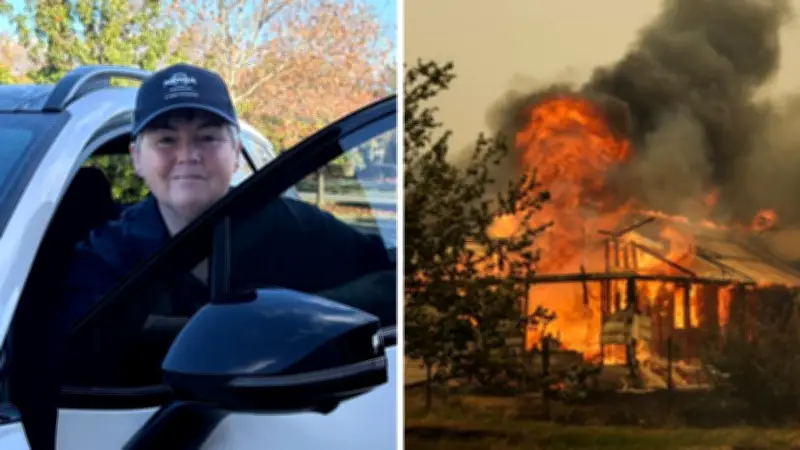
NRMA Insurance property assessor Judi Hindson has been evaluating the natural disaster risk of buildings for 37 years and seen the devastation caused by a lack of preparedness for bushfires first hand. 'When you arrive in communities struck by bushfires, there's often nothing left. Everything is gone, it's burnt,' Ms Hindson said. 'The roads are burnt, the trees are down, people's homes, their lives, their livestock - everything is gone. It's absolutely devastating.' She recalled helping in Port Macquarie in early December 2019, witnessing a community hit by bushfires just six months after flood claims. 'I remember driving back from Port Macquarie and reflecting with my colleagues on what we'd seen, and we all said we never want to go through that again... two weeks later, the whole east coast was on fire.'
Simple Steps to Prepare
Ms Hindson said bushfires could be unpredictable and fast-moving, meaning communities were often caught by surprise. 'It's not flames, but embers, that can cause most of the damage,' she said. 'Even properties outside bushfire zones are at risk, with embers as small as 2mm travelling kilometres ahead of the fire front and igniting new spot fires.' She emphasised that the most effective ways to prepare for a bushfire were often the most simple. 'Trimming trees, clearing debris, and keeping flammable materials away from your home can significantly reduce your risk. If a fire does occur, a well-prepared home makes it easier for firefighters to defend and helps protect surrounding properties. You can't stop a bushfire, but you can reduce how vulnerable your home is.'
State-by-State Gaps
Based on the NRMA's research, each state's residents had their own uniquely low-scoring checklist item when it came to making sure their home was secure. Only 20 per cent of Queenslanders said they checked their roof and vents for gaps, along with 22 per cent of ACT residents, who also struggled when it came to creating clear zones around their houses. Just 20 per cent of NSW residents discussed with their family what to do if impacted by a bushfire, and a mere 19 per cent of residents checked or updated their insurance cover. South Australians were slow on the draw with keeping their insurance up to date too, with just 17 per cent having updated or checked theirs in the past year. Southerners were also poor at creating clear zones around their homes, with just 18 per cent making the effort. In Western Australia, one-fifth of residents said they had actively discussed what to do in the event of a bushfire with their relatives.

Evacuation is Key
While preparing for the worst is important during bushfire season, Ms Hindson said the most important thing was knowing how to get out. 'Leave when you're told to leave. Often people stay behind, you see it with people hosing their roofs down and trying to save their properties, but fire doesn't discriminate. I've stood in streets where one home is burnt and the next one isn't, and there's just no controlling that,' she said. 'Keep your family safe and evacuate when you are told. You can replace a home, but you can't replace lives.'