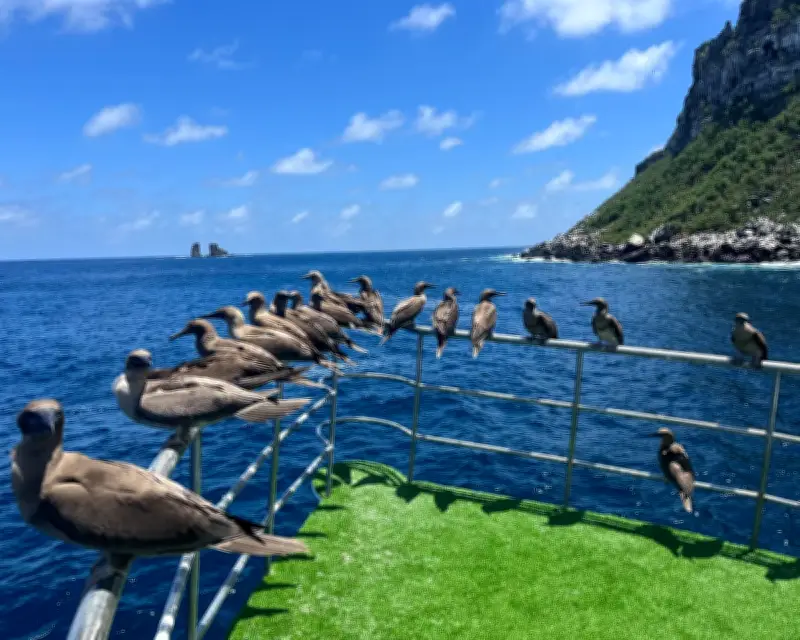
A recent scientific expedition to the remote Darwin and Wolf islands in the Galapagos archipelago has revealed surprising shifts in wildlife populations, challenging long-held assumptions about the stability of these pristine ecosystems.
Expedition Findings
Led by researchers from the Charles Darwin Foundation and the Galapagos National Park Directorate, the team spent two weeks surveying the islands' unique flora and fauna. The study, conducted in May 2026, aimed to update baseline data for conservation efforts.
Among the most striking discoveries was a significant decline in the population of the critically endangered Darwin's flycatcher, a small bird found only on these two islands. The team counted only 78 individuals, down from 120 in the last survey in 2022.

Marine Life Surprises
In contrast, marine species showed unexpected resilience. The waters around Wolf Island, known for its shark populations, recorded a 30% increase in scalloped hammerhead sharks compared to previous counts. This surge may be linked to changes in ocean currents and prey availability.
"We were amazed to see such a dramatic increase in shark numbers," said Dr. Maria Gonzalez, lead marine biologist. "It suggests that these remote areas can serve as refuges for species under pressure elsewhere."
Climate Change Impact
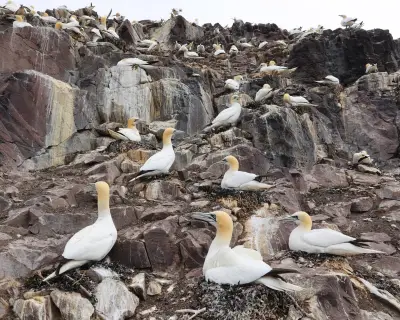
The expedition also documented the effects of the 2024-2025 El Niño event, which brought warmer waters and altered weather patterns. Scientists observed coral bleaching at depths previously considered safe, and a shift in seabird nesting sites to higher elevations.
"The changes we're seeing are a clear signal that even the most isolated ecosystems are feeling the heat of climate change," warned Dr. James Carter, expedition leader. "We need to step up monitoring and protection."
Conservation Implications
The findings underscore the importance of ongoing research in the Galapagos, a UNESCO World Heritage site. The islands face threats from invasive species, illegal fishing, and tourism pressure, but the new data will help refine management strategies.
"The Galapagos are a natural laboratory for understanding how ecosystems respond to change," said Dr. Ana Rodriguez of the Galapagos National Park. "This expedition shows that we must remain vigilant and adaptive."
The team plans to return in 2027 to continue monitoring and expand the survey to other remote islands in the archipelago.